
 CATEGORIES
- ORGANIC COMPOUNDS(1305)
- Alcohols(83)
- Aldehydes(60)
- Alkyl nitrites(6)
- Amines(89)
- Aminoacids(75)
- Amides(33)
- Anhydrides(9)
- Acyl Halides(5)
- Carboxylic Acids(209)
- Dyes and Indicators(104)
- Esters(52)
- Ethers(17)
- Organic Halogens (Organohalides)(39)
- Heterocycles(25)
- Hydrocarbons(41)
- Imides(2)
- Ketones(33)
- Lactams(4)
- Lactones(14)
- Mixed solvents(15)
- Nitro Compounds(15)
- Nitriles(9)
- Organic salts(68)
- Phenols(37)
- Polymers ( HMW compounds )(72)
- Sugars (Saccharides)(21)
- Silicoorgano and Phosphoorganocompounds(1)
- Peptides(1)
- Terpenes(22)
- Others(145)
- INORGANIC COMPOUNDS(1001)
- LAB EQUIPMENT(5338)
- *(1)
- Organic Synthesis(536)
- Industry(840)
Language
US version allows shipping to all available destinations


 MANUFACTURER
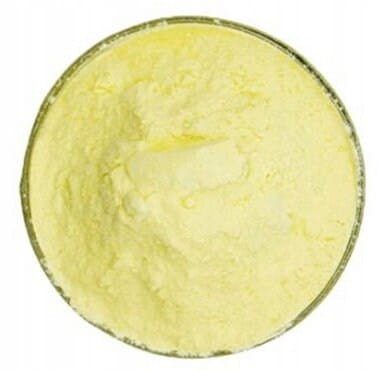
Apigenin Pure Powder 10g >99%


Regular price:
Regular price:
product unavailable
add to wish list
0


Description
Apigenin (Pure Compound >99%)
Other Names: 4′,5,7-Trihydroxyflavone
Chemical Formula: C₁₅H₁₀O₅
Molar Mass: 270.24 g/mol
CAS Number: 520-36-5
Appearance: Yellow crystalline powder
Purity: >99% (analytical grade)
Quantity: 10 g
Apigenin is a naturally occurring flavonoid belonging to the flavone class. It is widely used as a reference compound in analytical chemistry, as well as a starting material in organic synthesis, particularly in the study and derivatization of polyphenolic structures.
Chemical and Physical Properties
-
Melting Point: ~345 °C (with decomposition)
-
Solubility in Water: Practically insoluble
-
Solubility in Other Solvents: Soluble in DMSO, ethanol, methanol, acetone
-
UV Absorption: Strong absorbance near 270–340 nm
-
Stability: Stable under normal conditions, light-sensitive
Applications
Analytical Chemistry
-
Used as a reference standard for HPLC, UV-Vis, and MS-based analyses.
Organic Synthesis
-
Serves as a precursor for derivatization in flavonoid chemistry and structure-activity relationship studies.
Material Chemistry & Research
-
Explored for functional modification of polymer matrices and as a natural chromophore in pigment research.
Safety

Signal Word: Warning
Hazard Statements:
-
H315: Causes skin irritation
-
H319: Causes serious eye irritation
-
H335: May cause respiratory irritation
Precautionary Statements:
-
P261: Avoid breathing dust
-
P264: Wash hands thoroughly after handling
-
P271: Use only outdoors or in a well-ventilated area
-
P280: Wear protective gloves, protective clothing, and eye protection
-
P305+P351+P338: IF IN EYES: Rinse cautiously with water for several minutes. Remove contact lenses if present and easy to do. Continue rinsing
-
P337+P313: If eye irritation persists: Get medical advice/attention
Handling and Storage
-
Handling: Avoid generation of dust. Use appropriate PPE including gloves, goggles, and lab coat.
-
Storage: Store in a tightly sealed container in a dry, cool, and well-ventilated environment. Protect from light and moisture.
-
Incompatibilities: Strong oxidizers, alkaline solutions
Environmental Considerations
Not classified as hazardous to the environment in small quantities; however, avoid uncontrolled release into water systems. Dispose of according to local environmental regulations.