
 CATEGORIES
- ORGANIC COMPOUNDS(1135)
- INORGANIC COMPOUNDS(1055)
- LAB EQUIPMENT(5176)
- REACTORS(14)
- Porcelain(127)
- Glassware(1028)
- Filtration(373)
- Metal equipment(288)
- Electrical devices(450)
- Plastic & Rubber equipment(860)
- Cuvettes for spectrometry(25)
- Chromatography(0)
- Tubing (hoses)(250)
- Education(1262)
- pH papers & Indicators(18)
- Dosing and titration(349)
- Labels(1)
- Burners(21)
- Parafilms(3)
- Health & Safety(30)
- COLORIMETRIC REAGENTS(24)
- *(1)
- Organic Synthesis(421)
- Industry(775)
Language
US version allows shipping to all available destinations


 MANUFACTURER
.spherical flask. 3 straight necks 01000ml 45/29/29

Availability: na wyczerpaniu
Dispatched within: 7 days
conical flask WS .29/32 capacity 00500ml CHEMLAND

Availability: Large quantity
Dispatched within: 7 days
LAB COAT | designed and manufactured at SYNTHETIKA

Availability: Large quantity
Dispatched within: 7 days

Round-bottomed flask 00010ml ground 10/19 CHEMLAND

Availability: Large quantity
Dispatched within: 7 days






Ehrlich Reagent Spot Test Indole - Single Test 250uL

Availability: Large quantity
Dispatched within: 7 days
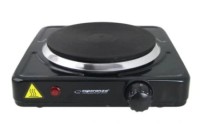
Electric Hot Plate , Single Burner for Cooking Electric Burner, Countertop Single Cast Iron Burner,
Availability: Large quantity
Dispatched within: 7 days
Electronic Scale + Batteries | 500g - 0,01g |

Availability: Large quantity
Dispatched within: 7 days
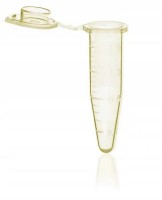
Eppendorf Centrifuge Tube Safe Lock Colorless Biology Chemistry 2ml - 100

Availability: Large quantity
Dispatched within: 7 days
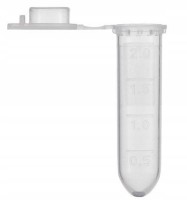
Eppendorf Centrifuge Tube Safe Lock Colorless Biology Chemistry 2ml - 50
Availability: Large quantity
Dispatched within: 7 days
Eppendorf Centrifuge Tube Safe Lock Colorless Biology Chemistry 2ml - 500

Availability: Large quantity
Dispatched within: 7 days
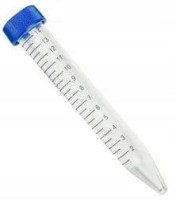
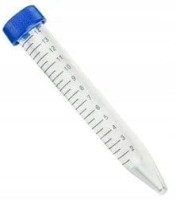

Lab equipment includes a wide range of tools, instruments, and accessories used in laboratory work for conducting chemical, biological, and analytical research. Properly selected equipment enables accurate measurements, sample preparation, chemical reactions, and control of experimental parameters in a repeatable and precise manner.
In this category you will find lab equipment used both in scientific laboratories and in research and development units, scientific institutes, as well as quality control departments in the chemical, biotechnology, and pharmaceutical industries.
Lab equipment - essential components of laboratory facilities
Modern laboratories rely on a wide range of specialized tools that allow experiments, analytical procedures, and sample preparation processes to be carried out efficiently. Lab equipment includes both basic tools used in everyday laboratory practice and specialized instruments designed for specific research procedures. Among the most commonly used elements of laboratory facilities, several main groups of devices and accessories can be distinguished, which represent standard equipment in most chemical and analytical laboratories. The most important types of lab equipment include, among others:
- laboratory thermometers,
- laboratory vessels and glassware,
- reagent bottles and containers,
- mixing and heating equipment,
- filtration equipment,
- laboratory accessories.
Lab equipment for measurement, sample preparation, and reactions
An important part of laboratory infrastructure consists of instruments that enable the monitoring of physical parameters and the execution of chemical processes under controlled conditions. This group includes laboratory thermometers, both liquid-filled and digital, designed to measure temperature across a wide range, often from approximately 0 to over 250°C.
Another important category includes laboratory vessels and glassware such as beakers, flasks, and graduated cylinders. This type of lab equipment allows the preparation of solutions, the performance of chemical reactions, and the precise measurement of liquid volumes used in experiments.
Lab equipment for storage and processing of substances
In laboratory environments, components used for storing chemical substances and preparing samples are also essential. For this purpose, bottles and containers made of chemically resistant materials such as HDPE or PP are commonly used, allowing safe storage of reagents.
Important elements of laboratory infrastructure also include devices designed for mixing, heating, and filtration of solutions. Laboratory stirrers, heating plates, and heating mantles enable chemical reactions to be carried out under controlled temperature conditions, while filtration system components are used for purification and separation of mixture components.
Various supporting accessories such as stands, clamps, spatulas, and laboratory trays complement the equipment. This type of lab equipment supports everyday research activities by enabling safe handling of apparatus, proper storage of tools, and effective organization of the laboratory workspace.
How to choose the right lab equipment
When selecting lab equipment, it is important to consider chemical resistance, operating parameter ranges, build quality, and compatibility with the analytical methods used in the laboratory. A wide selection of products available in this category makes it possible to choose lab equipment suitable both for basic laboratory applications and for more advanced research procedures.