


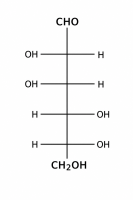




Sugars (saccharides) are classified by size into monosaccharides (single units), oligosaccharides (2–10 units), and polysaccharides (long chains). Monosaccharides follow the general formula (CH₂O)ₙ and are further categorized as aldoses or ketoses depending on whether they contain an aldehyde or ketone in the open-chain form. In aqueous solution, most monosaccharides cyclize intramolecularly to form hemiacetals/hemiketals, producing five-membered furanose or six-membered pyranose rings. Cyclization creates a new stereocenter at the anomeric carbon, giving α and β anomers, which interconvert via mutarotation.
Stereochemistry and recognition.
Sugars possess multiple chiral centers, enabling extensive stereoisomerism. The D/L system is defined relative to glyceraldehyde configuration, while epimers differ at a single stereocenter (e.g., glucose vs galactose). This stereochemical richness is biologically crucial: enzymes and receptors discriminate sharply among sugar isomers, controlling metabolism and signaling.
Reactivity.
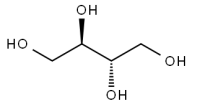
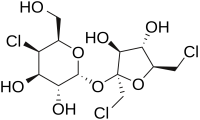
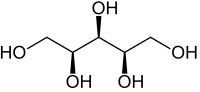
Many sugars are reducing sugars because their anomeric carbon can open to the aldehyde/ketone form, allowing oxidation (e.g., Tollens/Fehling tests) and formation of glycosides. The anomeric hydroxyl readily undergoes substitution to form glycosidic bonds with alcohols or amines, yielding disaccharides, oligosaccharides, and glycoconjugates. Under acidic conditions, sugars can dehydrate to furfural derivatives; under reducing conditions, they form sugar alcohols (polyols). Their multiple hydroxyl groups enable extensive derivatization (esterification, etherification), often used for protection strategies in synthesis.
Biological roles.
Sugars are central to energy metabolism (glucose in glycolysis and the TCA cycle) and storage (starch, glycogen). Polysaccharides also provide structural support (cellulose in plants, chitin in fungi/arthropods). In cell surfaces, covalently attached sugars (glycoproteins, glycolipids, proteoglycans) mediate cell–cell recognition, immune signaling, and protein folding/trafficking. The “glycocode” concept reflects how branching patterns and linkages convey biological information beyond simple composition.
Physical properties and analysis.
Sugars are highly polar and form dense hydrogen-bonding networks, giving high melting points and strong water solubility. Conformational preferences (e.g., chair forms of pyranoses) minimize steric strain and govern reactivity. Spectroscopically, anomeric configurations and linkage positions are determined using NMR coupling patterns, while mass spectrometry and chromatographic methods map oligosaccharide sequences and branching.
Overall, sugars are stereochemically complex, multifunctional molecules whose cyclic equilibria, glycosidic chemistry, and polymeric architectures make them indispensable in both biology and synthetic chemistry.