
 CATEGORIES
- ORGANIC COMPOUNDS(1135)
- Thiols(1)
- Metal-organic compounds(1)
- Sulfonic acids(6)
- Alcohols(74)
- Aldehydes(47)
- Alkyl nitrites(6)
- Amines(56)
- Aminoacids(59)
- Amides(33)
- Anhydrides(11)
- Acyl Halides(5)
- Carboxylic Acids(170)
- Dyes and Indicators(99)
- Esters(52)
- Ethers(17)
- Organic Halogens (Organohalides)(30)
- Flavonoids(5)
- Heterocycles(25)
- Hydrocarbons(38)
- Imides(2)
- Ketones(29)
- Mixed solvents(16)
- Nitro Compounds(5)
- Nitriles(9)
- Organic salts(74)
- Phenols(30)
- Polymers ( HMW compounds )(68)
- Sugars (Saccharides)(24)
- Silicoorgano and Phosphoorganocompounds(1)
- Peptides(2)
- Terpenes(16)
- Others(126)
- INORGANIC COMPOUNDS(1055)
- LAB EQUIPMENT(5176)
- *(1)
- Organic Synthesis(421)
- Industry(775)
Language
US version allows shipping to all available destinations


 MANUFACTURER
Dyes and indicators are compounds used in laboratories because they can absorb visible light and produce an observable color, fluorescence or optical signal. Dyes are mainly used to impart, mark or visualize color, whereas indicators change color in response to a defined property of a system, such as pH, redox potential, metal ion presence, medium polarity or a change in chemical state. This category includes azo, xanthene, triphenylmethane, phthalein, sulfophthalein and anthraquinone dyes, as well as acid-base, redox and complexometric indicators.
Bromothymol Blue Indicator [CAS number: 76-59-5] - 100g
![Bromothymol Blue Indicator [CAS number: 76-59-5] - 100g](/environment/cache/images/productGfx_4061_200_200/df86b84d5d62b015a6d96077e1b9fe39.jpg?overlay=1)
Availability: Large quantity
Dispatched within: 7 days
Bromothymol Blue Indicator [CAS number: 76-59-5] - 10g
![Bromothymol Blue Indicator [CAS number: 76-59-5] - 10g](/environment/cache/images/productGfx_4064_200_200/7cd60c506a5bf554c86fd60759a044ae.jpg?overlay=1)
Availability: Large quantity
Dispatched within: 7 days
Bromothymol Blue Indicator [CAS number: 76-59-5] - 1g
![Bromothymol Blue Indicator [CAS number: 76-59-5] - 1g](/environment/cache/images/productGfx_4066_200_200/7555493b7c2c6d206d813e7f4bc033a8.jpg?overlay=1)
Availability: Large quantity
Dispatched within: 7 days
Bromothymol Blue Indicator [CAS number: 76-59-5] - 25g
![Bromothymol Blue Indicator [CAS number: 76-59-5] - 25g](/environment/cache/images/productGfx_4063_200_200/ed4d410004ce1008d71c499a54276d82.jpg?overlay=1)
Availability: Large quantity
Dispatched within: 7 days
Bromothymol Blue Indicator [CAS number: 76-59-5] - 50g
![Bromothymol Blue Indicator [CAS number: 76-59-5] - 50g](/environment/cache/images/productGfx_4062_200_200/60ca376b3117bc5e00bfa06dab970a97.jpg?overlay=1)
Availability: Large quantity
Dispatched within: 7 days
Bromothymol Blue Indicator [CAS number: 76-59-5] - 5g
![Bromothymol Blue Indicator [CAS number: 76-59-5] - 5g](/environment/cache/images/productGfx_4065_200_200/bb584f3e5e3af7fb5b43642df69d758b.jpg?overlay=1)
Availability: Large quantity
Dispatched within: 7 days
Congo Red Indicator Pure [ CAS: 573-58-0 ] - 100g
![Congo Red Indicator Pure [ CAS: 573-58-0 ] - 100g](/environment/cache/images/productGfx_694_200_200/c772c1a4c813aacb79403136ba13ca92.jpg?overlay=1)
⚠️ EU: This product is classified as CMR in category 1A/1B Annex VI. CLP Regulation (EC) No. 1272/2008 and therefore can only be purchased by registered business or government entities.
Availability: Large quantity
Dispatched within: 7 days
Congo Red Indicator Pure [ CAS: 573-58-0 ] - 10g
![Congo Red Indicator Pure [ CAS: 573-58-0 ] - 10g](/environment/cache/images/productGfx_697_200_200/689fd940b11b9be1f6416f66ac324b36.jpg?overlay=1)
⚠️ EU: This product is classified as CMR in category 1A/1B Annex VI. CLP Regulation (EC) No. 1272/2008 and therefore can only be purchased by registered business or government entities.
Availability: Large quantity
Dispatched within: 7 days
Congo Red Indicator Pure [ CAS: 573-58-0 ] - 1g
![Congo Red Indicator Pure [ CAS: 573-58-0 ] - 1g](/environment/cache/images/productGfx_699_200_200/d072b5b89a9cd17837052b7d54389be8.jpg?overlay=1)
⚠️ EU: This product is classified as CMR in category 1A/1B Annex VI. CLP Regulation (EC) No. 1272/2008 and therefore can only be purchased by registered business or government entities.
Availability: Large quantity
Dispatched within: 7 days
Congo Red Indicator Pure [ CAS: 573-58-0 ] - 25g
![Congo Red Indicator Pure [ CAS: 573-58-0 ] - 25g](/environment/cache/images/productGfx_696_200_200/7013f6cea1ffca4dc3b3650fce4d0b6c.jpg?overlay=1)
⚠️ EU: This product is classified as CMR in category 1A/1B Annex VI. CLP Regulation (EC) No. 1272/2008 and therefore can only be purchased by registered business or government entities.
Availability: Large quantity
Dispatched within: 7 days
Congo Red Indicator Pure [ CAS: 573-58-0 ] - 50g
![Congo Red Indicator Pure [ CAS: 573-58-0 ] - 50g](/environment/cache/images/productGfx_695_200_200/2d5d585faca5974b13125ec2a8bf781f.jpg?overlay=1)
⚠️ EU: This product is classified as CMR in category 1A/1B Annex VI. CLP Regulation (EC) No. 1272/2008 and therefore can only be purchased by registered business or government entities.
Availability: Large quantity
Dispatched within: 7 days
Congo Red Indicator Pure [ CAS: 573-58-0 ] - 5g
![Congo Red Indicator Pure [ CAS: 573-58-0 ] - 5g](/environment/cache/images/productGfx_698_200_200/108ad0b4e6b2113fc1a22882cc0a0927.jpg?overlay=1)
⚠️ EU: This product is classified as CMR in category 1A/1B Annex VI. CLP Regulation (EC) No. 1272/2008 and therefore can only be purchased by registered business or government entities.
Availability: Large quantity
Dispatched within: 7 days
Cresol Red Indicator Pure - 100g
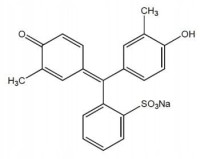
⚠️ This product can only be purchased by registered business or government entities.
Availability: Large quantity
Dispatched within: 7 days
Cresol Red Indicator Pure - 10g
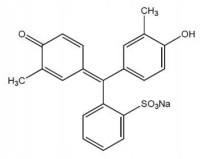
⚠️ This product can only be purchased by registered business or government entities.
Availability: Large quantity
Dispatched within: 7 days
Cresol Red Indicator Pure - 1g
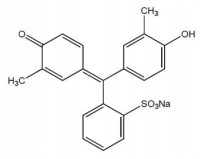
⚠️ This product can only be purchased by registered business or government entities.
Availability: Large quantity
Dispatched within: 7 days
Cresol Red Indicator Pure - 50g
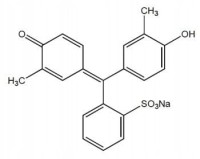
⚠️ This product can only be purchased by registered business or government entities.
Availability: Large quantity
Dispatched within: 7 days
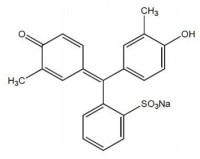
Cresol Red Indicator Pure - 5g
⚠️ This product can only be purchased by registered business or government entities.
Availability: Large quantity
Dispatched within: 7 days


Fluorescein 200% ( resorcinolphthalein ) UV DYE Pure Compound - 1000g

Availability: Large quantity
Dispatched within: 7 days
Fluorescein 200% ( resorcinolphthalein ) UV DYE Pure Compound - 100g

Availability: Large quantity
Dispatched within: 7 days
Fluorescein 200% ( resorcinolphthalein ) UV DYE Pure Compound - 10g

Availability: Large quantity
Dispatched within: 7 days
Fluorescein 200% ( resorcinolphthalein ) UV DYE Pure Compound - 1g

Availability: Large quantity
Dispatched within: 7 days
Fluorescein 200% ( resorcinolphthalein ) UV DYE Pure Compound - 500g

Availability: Large quantity
Dispatched within: 7 days
Dyes as compounds with chromophore systems
The color of dyes results from chromophore systems capable of absorbing radiation in the visible range. In many organic dyes, conjugated double-bond systems, aromatic rings and functional groups affecting electron distribution are particularly important. Changes in structure, protonation, oxidation state, complexation or molecular environment can shift the absorption range and produce a visible color change.
How does an indicator differ from an ordinary dye?
An indicator is a specific type of dye or colored compound whose optical signal changes in response to a defined chemical parameter. Not every dye is an indicator, because strong color alone is not sufficient for analytical use. An indicator should provide a clear, reproducible and useful signal change in the range relevant to a given measurement, titration or observed transformation.
Acid-base indicators
Acid-base indicators are usually organic compounds whose different protonation states have distinct optical properties. A change in pH shifts the equilibrium between protonated and deprotonated forms, which changes light absorption and visible color. This group includes phenolphthalein, methyl orange, methyl red, bromothymol blue, phenol red and other phthalein, sulfophthalein and azo dyes.
Redox indicators
Redox indicators change color depending on the oxidation or reduction state of the molecule. Their function is based on the fact that oxidized and reduced forms have different electronic structures and therefore different absorption or fluorescence spectra. Such compounds are used in oxidation-reduction analyses, electrochemistry, redox-system studies and as mediators or optical and electrochemical probes.
Complexometric and metal indicators
Complexometric indicators, also called metallochromic indicators, change color after binding a metal ion or after the metal is displaced by a stronger ligand. They are used in complexometric determinations, such as EDTA titrations, where the color difference between the free indicator and the metal-indicator complex helps detect the endpoint. The choice of such an indicator depends on pH, metal ion type, complex stability and color contrast.
Dyes in visualization and detection
Dyes can be used for phase visualization, material labeling, reaction monitoring, detection of selected mixture components and preparation of chromogenic reagents for colorimetric analysis. Their laboratory value comes from the fact that even a small change in chemical structure or molecular environment may produce an easily visible color change. For this reason, dyes are used both in simple visual tests and in spectrophotometric methods.
How should an indicator be selected for analysis?
Indicator selection depends on the type of transformation and the range in which the color change should occur. In acid-base titration, the transition range should match the equivalence region; in redox analysis, the transition potential is important; and in complexometry, metal type and metal-indicator complex stability matter. In each case, the indicator should change signal at the moment corresponding to the relevant chemical change rather than respond to unrelated sample components.
Limitations of dyes and indicators
Dyes and indicators may be sensitive to light, pH, oxygen, temperature, solvent, ionic strength, metals, surfactants or reducing and oxidizing substances. Some may undergo photodegradation, form aggregates, adsorb onto surfaces or show different colors in aqueous and organic media. Therefore, interpretation of a color change requires consideration of the specific chemical environment, not only the indicator name.
Use in laboratory work
Dyes and indicators are used in analytical chemistry, titration, spectrophotometry, chromatography, microscopy, colorimetric tests, pH monitoring, metal ion determination, redox studies and visualization of materials and samples. They may act as auxiliary reagents, optical probes, reference materials, colored markers or components of mixed indicator systems.