
 CATEGORIES
- ORGANIC COMPOUNDS(1134)
- Thiols(1)
- Metal-organic compounds(1)
- Sulfonic acids(6)
- Alcohols(74)
- Aldehydes(47)
- Alkyl nitrites(6)
- Amines(56)
- Aminoacids(59)
- Amides(33)
- Anhydrides(11)
- Acyl Halides(5)
- Carboxylic Acids(170)
- Dyes and Indicators(99)
- Esters(52)
- Ethers(17)
- Organic Halogens (Organohalides)(30)
- Flavonoids(5)
- Heterocycles(25)
- Hydrocarbons(38)
- Imides(2)
- Ketones(29)
- Mixed solvents(16)
- Nitro Compounds(5)
- Nitriles(9)
- Organic salts(74)
- Phenols(30)
- Polymers ( HMW compounds )(68)
- Sugars (Saccharides)(24)
- Silicoorgano and Phosphoorganocompounds(1)
- Peptides(2)
- Terpenes(16)
- Others(125)
- INORGANIC COMPOUNDS(1055)
- LAB EQUIPMENT(5176)
- *(1)
- Organic Synthesis(421)
- Industry(775)
Language
US version allows shipping to all available destinations


 MANUFACTURER
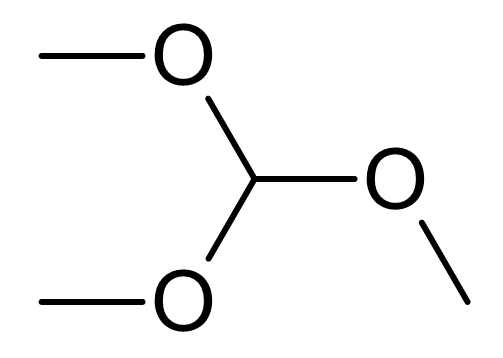
Trimethyl Orthoformate
Regular price:
Regular price:
product unavailable
add to wish list
0

Description
Trimethyl Orthoformate
Other Names: TMOF, Methyl orthoformate, Orthoformic acid trimethyl ester
CAS Number: 149-73-5
Sum Formula: C₄H₁₀O₃
Molar Mass: 106.12 g/mol
Appearance: Colorless, clear liquid
Trimethyl orthoformate is an organic compound commonly used as a reagent and intermediate in chemical synthesis, particularly for introducing methoxy groups or protecting functional groups such as aldehydes and ketones. It is a volatile, flammable liquid with a mild odor.
Chemical and Physical Properties
Density: 0.97 g/cm³ (at 20°C)
Melting Point: -23°C
Boiling Point: 103–104°C
Solubility in Water: Reacts slowly (hydrolyzes)
Solubility in Other Solvents: Miscible with alcohols, ethers, and most organic solvents
Odor: Mild, ether-like
Vapor Pressure: ~50 mmHg (at 25°C)
Flash Point: 6°C (closed cup)
Applications
-
Organic Synthesis: Used as a methylating agent and to form acetals/ketals in protective group chemistry.
-
Industrial Chemistry: Intermediate in the manufacture of fine chemicals and specialty compounds.
-
Solvent Systems: Occasionally used in formulation of solvent blends for reactions under anhydrous conditions.
Safety

Signal Word: Danger
H225 (99.3%): Highly Flammable liquid and vapor [Danger Flammable liquids]
H319 (99.3%): Causes serious eye irritation [Warning Serious eye damage/eye irritation]
H335 (33.7%): May cause respiratory irritation [Warning Specific target organ toxicity, single exposure; Respiratory tract irritation]
P210, P233, P240, P241, P242, P243, P261, P264+P265, P271, P280, P303+P361+P353, P304+P340, P305+P351+P338, P319, P337+P317, P370+P378, P403+P233, P403+P235, P405, and P501
First Aid Measures
Eye Contact: Rinse thoroughly with water for several minutes. Seek medical attention if irritation persists.
Skin Contact: Wash with soap and water. Remove contaminated clothing.
Inhalation: Move to fresh air. Seek medical help if symptoms such as dizziness or respiratory irritation occur.
Ingestion: Rinse mouth. Do not induce vomiting. Get medical attention if unwell.
Handling and Storage
Storage Conditions: Store in a tightly closed container in a cool, dry, well-ventilated area. Keep away from sources of ignition and incompatible substances (e.g. acids, moisture).
Handling Precautions: Use only with adequate ventilation. Avoid contact with skin, eyes, and clothing. Ground containers when transferring material.