
 CATEGORIES
- ORGANIC COMPOUNDS(1129)
- Thiols(1)
- Metal-organic compounds(1)
- Sulfonic acids(6)
- Alcohols(74)
- Aldehydes(47)
- Alkyl nitrites(6)
- Amines(55)
- Aminoacids(59)
- Amides(33)
- Anhydrides(11)
- Acyl Halides(5)
- Carboxylic Acids(170)
- Dyes and Indicators(99)
- Esters(52)
- Ethers(17)
- Organic Halogens (Organohalides)(30)
- Flavonoids(5)
- Heterocycles(24)
- Hydrocarbons(34)
- Imides(2)
- Ketones(29)
- Mixed solvents(16)
- Nitro Compounds(5)
- Nitriles(9)
- Organic salts(74)
- Phenols(30)
- Polymers ( HMW compounds )(68)
- Sugars (Saccharides)(24)
- Silicoorgano and Phosphoorganocompounds(1)
- Peptides(2)
- Terpenes(16)
- Others(126)
- INORGANIC COMPOUNDS(1055)
- LAB EQUIPMENT(5176)
- *(1)
- Organic Synthesis(417)
- Industry(775)
Language
US version allows shipping to all available destinations


 MANUFACTURER
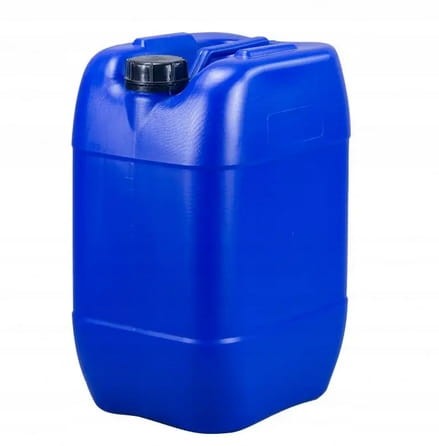
Hexane fraction from Naphtha


Regular price:
Regular price:
product unavailable
add to wish list
0

Description
N-Hexane
Other Names: Naphta fraction, Paraffin fraction, Hexyl hydride
CAS Number: 110-54-3
Sum Formula: C₆H₁₄
Molar Mass: 86.18 g/mol
Appearance: Colorless liquid
N-Hexane is a straight-chain aliphatic hydrocarbon obtained from petroleum refining. It is widely used as an industrial solvent due to its non-polarity and low boiling point. It is an important constituent of petroleum ether and commercial-grade naphta fractions.
Chemical and Physical Properties
Density: 0.659 g/cm³ (at 20°C)
Melting Point: −95°C
Boiling Point: 68–69°C
Solubility in Water: Practically insoluble (9.5 mg/L at 25°C)
Solubility in Other Solvents: Miscible with most organic solvents like ethanol, ether, and acetone
Odor: Mild, gasoline-like odor
Vapor Pressure: 160 mmHg (at 25°C)
Applications
Industrial Solvent: Used for extraction, cleaning, and degreasing in industrial processes.
Chemical Synthesis: Serves as a reaction medium in organic chemistry, especially for organometallic reactions.
Adhesives and Coatings: Incorporated in formulations for rubber, adhesives, and printing inks.
Laboratory Use: Employed as a non-polar solvent for chromatographic separations and sample preparations.
Material Processing: Used in textile, leather, and manufacturing industries for surface treatments and extraction processes.
Safety


Signal Word: Danger
H225 (53.1%): Highly Flammable liquid and vapor [Danger Flammable liquids]
H304 (36.6%): May be fatal if swallowed and enters airways [Danger Aspiration hazard]
H315 (79.5%): Causes skin irritation [Warning Skin corrosion/irritation]
H317 (46.9%): May cause an allergic skin reaction [Warning Sensitization, Skin]
H319 (17.4%): Causes serious eye irritation [Warning Serious eye damage/eye irritation]
H336 (36.6%): May cause drowsiness or dizziness [Warning Specific target organ toxicity, single exposure; Narcotic effects]
H361 (36.6%): Suspected of damaging fertility or the unborn child [Warning Reproductive toxicity]
H373 (27.7%): May causes damage to organs through prolonged or repeated exposure [Warning Specific target organ toxicity, repeated exposure]
H411 (32.6%): Toxic to aquatic life with long lasting effects [Hazardous to the aquatic environment, long-term hazard]
H412 (46.4%): Harmful to aquatic life with long lasting effects [Hazardous to the aquatic environment, long-term hazard]
P203, P210, P233, P240, P241, P242, P243, P260, P261, P264, P264+P265, P271, P272, P273, P280, P301+P316, P302+P352, P303+P361+P353, P304+P340, P305+P351+P338, P318, P319, P321, P331, P332+P317, P333+P317, P337+P317, P362+P364, P370+P378, P391, P403+P233, P403+P235, P405, and P501
Handling and Storage
Storage Conditions: Store in a tightly closed container in a cool, dry, and well-ventilated place, away from sources of ignition and strong oxidizers.
Handling Precautions: Avoid inhalation of vapors and prolonged skin contact. Handle under explosion-proof equipment conditions.