
 CATEGORIES
- ORGANIC COMPOUNDS(1129)
- Thiols(1)
- Metal-organic compounds(1)
- Sulfonic acids(6)
- Alcohols(74)
- Aldehydes(47)
- Alkyl nitrites(6)
- Amines(55)
- Aminoacids(59)
- Amides(33)
- Anhydrides(11)
- Acyl Halides(5)
- Carboxylic Acids(170)
- Aromatic Acids(11)
- Dyes and Indicators(99)
- Esters(52)
- Ethers(17)
- Organic Halogens (Organohalides)(30)
- Flavonoids(5)
- Heterocycles(24)
- Hydrocarbons(34)
- Imides(2)
- Ketones(29)
- Mixed solvents(16)
- Nitro Compounds(5)
- Nitriles(9)
- Organic salts(74)
- Phenols(30)
- Polymers ( HMW compounds )(68)
- Sugars (Saccharides)(24)
- Silicoorgano and Phosphoorganocompounds(1)
- Peptides(2)
- Terpenes(16)
- Others(126)
- INORGANIC COMPOUNDS(1055)
- LAB EQUIPMENT(5176)
- *(1)
- Organic Synthesis(417)
- Industry(775)
Language
US version allows shipping to all available destinations


 MANUFACTURER
Ethylenediamine tetraacetic acid, EDTA, Edetic acid chelating reagent
Regular price:
Regular price:
product unavailable
add to wish list
0

Description
Edetic Acid
Other Names: Ethylenediaminetetraacetic acid (EDTA), (ethylenedinitrilo)tetraacetic acid
CAS Number: 60-00-4
Sum Formula: C₁₀H₁₆N₂O₈
Molar Mass: 292.24 g/mol
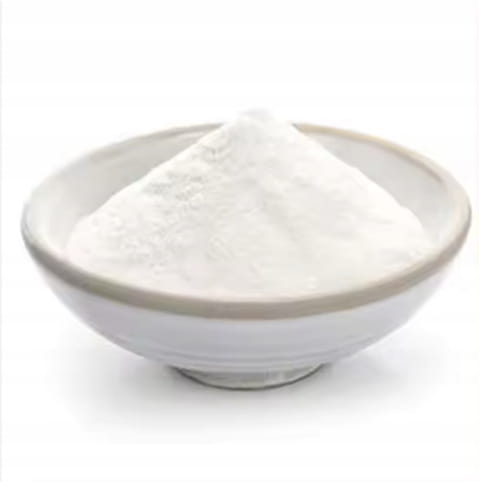
Appearance: White crystalline powder
Edetic acid (EDTA) is a polyamino carboxylic acid and a powerful chelating agent. It has the ability to bind metal ions such as calcium, magnesium, and iron, forming stable complexes. EDTA is widely used in various industrial, laboratory, and water treatment applications to control metal ion concentrations.
Chemical and Physical Properties
Density: ~0.86 g/cm³ (estimated)
Melting Point: ~240°C (decomposes)
Boiling Point: Decomposes before boiling
Solubility in Water: Sparingly soluble (0.5 g/L at 25°C)
Solubility in Other Solvents: Slightly soluble in ethanol; insoluble in organic solvents
Odor: Odorless
Applications
Water Treatment: Used to sequester metal ions in water softening and industrial cleaning applications.
Laboratory Reagent: Commonly employed as a complexing agent in analytical chemistry, particularly in titration of metal ions (complexometric titration).
Industrial Processing: Applied in the production of paper, textiles, and cleaning agents to remove metal contaminants.
Surface Treatments: Used to enhance the stability of cleaning formulations and prevent metal-catalyzed degradation.
Safety

Signal Word: Warning
H302 (43.8%): Harmful if swallowed [Warning Acute toxicity, oral]
H312 (26.9%): Harmful in contact with skin [Warning Acute toxicity, dermal]
H315 (32.5%): Causes skin irritation [Warning Skin corrosion/irritation]
H319 (37.9%): Causes serious eye irritation [Warning Serious eye damage/eye irritation]
H332 (51.5%): Harmful if inhaled [Warning Acute toxicity, inhalation]
H335 (31.8%): May cause respiratory irritation [Warning Specific target organ toxicity, single exposure; Respiratory tract irritation]
H373 (20.8%): May causes damage to organs through prolonged or repeated exposure [Warning Specific target organ toxicity, repeated exposure]
H412 (30.2%): Harmful to aquatic life with long lasting effects [Hazardous to the aquatic environment, long-term hazard]
P260, P261, P264, P264+P265, P270, P271, P273, P280, P301+P317, P302+P352, P304+P340, P305+P351+P338, P317, P319, P321, P330, P332+P317, P337+P317, P362+P364, P403+P233, P405, and P501
Handling and Storage
Storage Conditions: Store in a tightly closed container in a cool, dry, and well-ventilated area. Protect from moisture and strong oxidizing agents.
Handling Precautions: Minimize dust generation and avoid inhalation. Use appropriate PPE during handling.