
 CATEGORIES
- ORGANIC COMPOUNDS(1135)
- INORGANIC COMPOUNDS(1055)
- Mineral Acids(51)
- Chelates(3)
- Elements(130)
- Salts(556)
- Oxides(121)
- Hydroxides(30)
- Hydrides(15)
- Other(19)
- Nanoparticles(3)
- Standard solutions(126)
- LAB EQUIPMENT(5176)
- *(1)
- Organic Synthesis(421)
- Industry(775)
Language
US version allows shipping to all available destinations


 MANUFACTURER
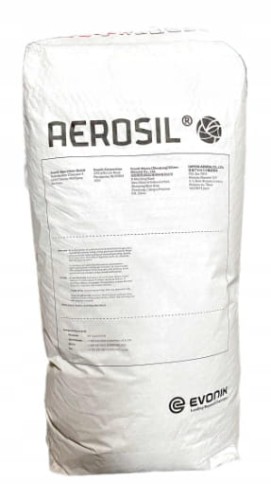
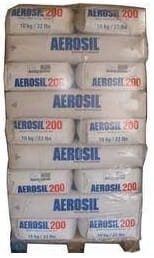
Aerosil 200 Colloidal silica Evonik Original 10kg bag

Regular price:
Regular price:
product unavailable
add to wish list
0

Description
Colloidal Silicate "Aerosil 200"
Other Names: Hydrophilic fumed silica, Pyrogenic silica
CAS Number: 112945-52-5 (amorphous silicon dioxide)
Sum Formula: SiO₂
Molar Mass: 60.08 g/mol
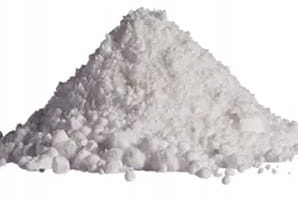
Appearance: Very light, "fluffy" fine white dust
Aerosil 200 is a high-purity, hydrophilic, fumed (pyrogenic) silica produced by the flame hydrolysis of silicon tetrachloride. It has a specific surface area of approximately 200 m²/g (BET method) and is widely used as a thickening agent, reinforcing filler, flow aid, and anti-caking agent in various industrial applications.
Chemical and Physical Properties
Specific Surface Area: ~200 m²/g (BET)
Bulk Density: ~50 g/L (according to DIN EN ISO 787/11, August 1983)
Particle Size (primary particles): ~12 nm (average)
Density (true): 2.2 g/cm³
Melting Point: >1700°C
Boiling Point: Not applicable (solid at all practical conditions)
Solubility in Water: Insoluble
Solubility in Other Solvents: Insoluble
Odor: Odorless
Applications
Industrial Formulations: Used to control rheology (viscosity) in adhesives, coatings, and sealants.
Plastics and Composites: Acts as a reinforcing filler improving mechanical properties and processability.
Paints and Inks: Serves as a thickening and anti-sagging agent.
Cosmetics: Utilized as a free-flow and anti-caking agent in powders and emulsions.
Pharmaceutical and Technical Applications: Studied for surface modification and as a carrier in solid dispersions and delivery systems.
Safety

Signal Word: Warning
H350 (12.6%): May cause cancer [Danger Carcinogenicity]
H372 (46%): Causes damage to organs through prolonged or repeated exposure [Danger Specific target organ toxicity, repeated exposure]
H373 (29.4%): May causes damage to organs through prolonged or repeated exposure [Warning Specific target organ toxicity, repeated exposure]
P203, P260, P264, P270, P280, P318, P319, P405, and P501
Handling and Storage
Storage Conditions: Store in a tightly closed container in a cool, dry, and well-ventilated area. Protect from moisture and strong oxidizing agents.
Handling Precautions: Handle gently to minimize dust formation. Use appropriate PPE including dust masks or respirators and eye protection.