
 CATEGORIES
- ORGANIC COMPOUNDS(1129)
- Thiols(1)
- Metal-organic compounds(1)
- Sulfonic acids(6)
- Alcohols(74)
- Aldehydes(47)
- Alkyl nitrites(6)
- Amines(55)
- Aminoacids(59)
- Amides(33)
- Anhydrides(11)
- Acyl Halides(5)
- Carboxylic Acids(170)
- Dyes and Indicators(99)
- Esters(52)
- Ethers(17)
- Organic Halogens (Organohalides)(30)
- Flavonoids(5)
- Heterocycles(24)
- Hydrocarbons(34)
- Imides(2)
- Ketones(29)
- Mixed solvents(16)
- Nitro Compounds(5)
- Nitriles(9)
- Organic salts(74)
- Phenols(30)
- Polymers ( HMW compounds )(68)
- Sugars (Saccharides)(24)
- Silicoorgano and Phosphoorganocompounds(1)
- Peptides(2)
- Terpenes(16)
- Others(126)
- INORGANIC COMPOUNDS(1055)
- LAB EQUIPMENT(5176)
- *(1)
- Organic Synthesis(417)
- Industry(775)
Language
US version allows shipping to all available destinations


 MANUFACTURER
Organic molecules
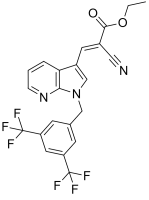 JXL-082 ( JXL082 )
190,00 zł
Net price: 154,47 zł
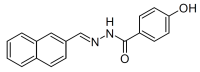 SLU-PP-332
90,00 zł
Net price: 73,17 zł
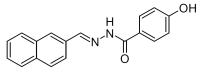 SLU-PP-332 1mg/ml solution in 70% DMSO - 18ml
195,00 zł
Net price: 158,54 zł
 1-Ethyltheobromine Spectroscopically Pure
32,50 zł
Net price: 26,42 zł
 Methylamine Aqueous Solution (MMA40) 40%
20,00 zł
Net price: 16,26 zł
 Pure Cannabidiol, CBD Isolate >99,9%
12,90 zł
Net price: 10,49 zł
 Toluene, methylbenzene p.a. grade
8,00 zł
Net price: 6,50 zł
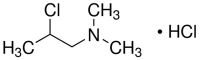 2-Chloro-N,N-dimethylpropylamine hydrochloride ; 2-Dimethylaminoisopropyl chloride hydrochloride ( DMCPA-HCl ) >99,8%
190,00 zł
Net price: 154,47 zł
 (+)-Cinchonine
165,00 zł
Net price: 134,15 zł
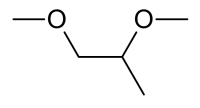 1,2-Dimethoxypropane
80,00 zł
Net price: 65,04 zł
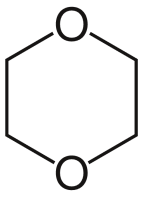 1,4-Dioxane (1,4-Dioxacyclohexane)
17,94 zł
Net price: 14,59 zł
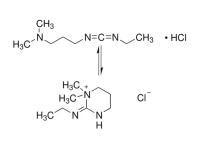 1-Ethyl-3-(3-dimethylaminopropyl)carbodiimide Hydrochloride (EDC · HCl, EDCI · HCl)
25,00 zł
Net price: 20,33 zł
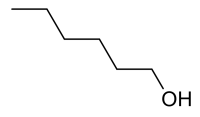 1-Hexanol
30,00 zł
Net price: 24,39 zł
 1-Hydroxybenzotriazole
35,00 zł
Net price: 28,46 zł
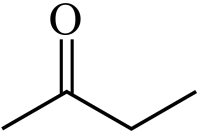 2 - Butanone (MEK, MethylEthylKetone)
15,14 zł
Net price: 12,51 zł
 2,2-Bipyridine : Bipyridyl : Dipyridyl : Bipy : Bpy : Dipy : 2,2-Bipyridyl - Chelating - 250g
1 275,52 zł
Net price: 1 037,01 zł
 2,4,5-trimethoxybenzaldehyde Asaronaldehyde Pure - 100g
677,62 zł
Net price: 550,91 zł
 2,4,5-trimethoxybenzaldehyde Asaronaldehyde Pure - 10g
40,00 zł
Net price: 32,52 zł
 2,4,5-trimethoxybenzaldehyde Asaronaldehyde Pure - 1g
19,93 zł
Net price: 16,20 zł
 2,4,5-trimethoxybenzaldehyde Asaronaldehyde Pure - 25g
197,30 zł
Net price: 160,41 zł
 2,4,5-trimethoxybenzaldehyde Asaronaldehyde Pure - 50g
358,74 zł
Net price: 291,66 zł
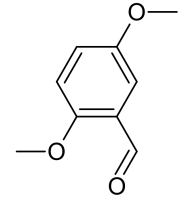 2,5-dimethoxybenzaldehyde, Pure >99%
21,92 zł
Net price: 17,82 zł
![2-Aminophenol ( O-Aminophenol ) [CAS: 95-55-6 ] - 100g](/environment/cache/images/productGfx_743_200_200/8f5b116f42453ae6e766e78406c5feff.jpg?overlay=1) 2-Aminophenol ( O-Aminophenol ) [CAS: 95-55-6 ] - 100g
2-Aminophenol ( O-Aminophenol ) [CAS: 95-55-6 ] - 100g
239,16 zł
Net price: 194,44 zł
![2-Aminophenol ( O-Aminophenol ) [CAS: 95-55-6 ] - 10g](/environment/cache/images/productGfx_746_200_200/042a20ed27f5deaddc5dd793c202ba2f.jpg?overlay=1) 2-Aminophenol ( O-Aminophenol ) [CAS: 95-55-6 ] - 10g
2-Aminophenol ( O-Aminophenol ) [CAS: 95-55-6 ] - 10g
59,40 zł
Net price: 48,29 zł
![2-Aminophenol ( O-Aminophenol ) [CAS: 95-55-6 ] - 25g](/environment/cache/images/productGfx_745_200_200/67b2958bea0c26c20fe739b588904f36.jpg?overlay=1) 2-Aminophenol ( O-Aminophenol ) [CAS: 95-55-6 ] - 25g
2-Aminophenol ( O-Aminophenol ) [CAS: 95-55-6 ] - 25g
79,72 zł
Net price: 64,81 zł
Organic compounds are a broad group of chemical substances containing carbon-carbon and carbon-hydrogen bonds, which form the basis of most chemical processes occurring in nature and in industry. Their structure and physicochemical properties determine their applications in many fields - from laboratory chemistry to the production of cosmetics, polymer materials, and fragrance compounds.
Organic compounds - classification and main groups of substances
In this category you will find carefully selected organic compounds used as solvents, synthetic reagents, organic catalysts, and building blocks in chemical synthesis. They include both simple molecules and more complex structures applied in research, industrial production, and the development of new materials.
The most important classes within this group include:
- alcohols,
- aldehydes,
- amines,
- amino acids,
- amides,
- carboxylic acids,
- esters and ethers,
- hydrocarbons,
- heterocycles,
- phenols,
- ketones,
- organic salts,
- sugars (saccharides),
- high-molecular-weight polymers.
Each of these classes differs in molecular structure and in the presence of characteristic functional groups that determine the reactivity and physical properties of molecules. As a result, organic compounds can perform various functions, from substrates in chemical reactions to components of functional materials, to ingredients in industrial formulations.
Organic compounds in chemical synthesis and industrial technology
Substances in this category are widely used across many technological sectors. In the perfume and cosmetics industries, they serve as fragrance carriers and active ingredients. In candle production and fragrance materials, they form the base for aromatic compositions. In biotechnology and materials chemistry, they are used as synthesis substrates, agents modifying polymer properties, or components of catalytic reactions.
In the plastics industry and the automotive sector, many organic compounds act as monomers, plasticizers, or additives, improving the properties of materials. From the perspective of laboratory chemistry, they are fundamental building blocks in the synthesis of new molecules and in research on chemical reaction mechanisms.
Examples of organic compounds
Aldehydes are a group of organic compounds containing a characteristic aldehyde functional group—CHO, in which the carbon atom is bonded to oxygen via a double bond and to hydrogen via a single bond. This specific structure makes these compounds highly chemically reactive and often important intermediates in organic synthesis. They are used as reagents in numerous condensation, oxidation, and reduction reactions. Due to their physicochemical properties, they are also applied in the production of resins, polymers, and fragrance compounds.
Amines belong to the class of organic compounds containing a nitrogen atom bonded to one or more alkyl or aryl groups. Depending on the number of substituents, primary, secondary, and tertiary amines are distinguished. Compounds from this group play an important role in the synthesis of pharmaceuticals, dyes, polymer additives, and biologically active substances. Amines are also widely used as components of many industrial formulations.
Ketones are organic compounds containing a carbonyl group (C=O) located within the carbon chain. Unlike aldehydes, the carbon atom of the carbonyl group is bonded to two carbon atoms, which influences the stability of the molecule. Due to their good solvent properties, ketones are frequently used as solvents in organic synthesis and in the chemical industry. They also serve as important substrates in the synthesis of more complex molecules used in materials technology and specialty chemistry.