
 PRODUKTY
- ORGANICZNE(1280)
- Związki metaloorganiczne(1)
- Tiole(1)
- Alkohole(83)
- Aldehydy(61)
- Azotyny Alkilowe(6)
- Aminy(85)
- Aminokwasy(59)
- Amidy(34)
- Bezwodniki(11)
- Halogenki Kwasowe(5)
- Kwasy karboksylowe(188)
- Barwniki, wskaźniki(103)
- Estry(55)
- Etery(20)
- Halogenki(35)
- Flawonoidy(5)
- Heterocykle(42)
- Węglowodory(42)
- Imidy(1)
- Ketony(32)
- Rozpuszczalniki (premix)(16)
- Związki Nitrowe(15)
- Nitryle(11)
- Sole organiczne(73)
- Fenole(37)
- Polimery(67)
- Cukry(24)
- Związki krzemoorganiczne oraz fosforoorganiczne(1)
- Peptydy(2)
- Terpeny(19)
- Inne(142)
- NIEORGANICZNE(1086)
- SPRZĘT LABORATORYJNY(5158)
- *(1)
- Synteza organiczna(485)
- Przemysł(788)
Wersje językowe
Wersja US umożliwia dostawę do wszystkich dostępnych destynacji.


 Producenci
Melatonina - hormon snu, Czysta >99%
Cena regularna:
Cena regularna:
towar niedostępny
dodaj do przechowalni
0

Opis
Melatonin
Other Names: N-[2-(5-Methoxy-1H-indol-3-yl)ethyl]acetamide
CAS Number: 73-31-4
Sum Formula: C₁₃H₁₆N₂O₂
Molar Mass: 232.28 g/mol
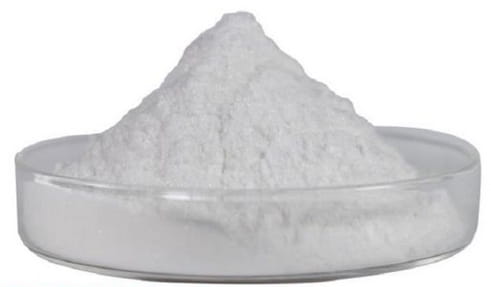
Appearance: White to off-white crystalline powder
Melatonin is an organic compound belonging to the class of indoleamines, structurally related to serotonin. It is commonly used as a chemical reagent for laboratory research, particularly in studies involving biological rhythms, oxidative stress, and receptor binding.
Chemical and Physical Properties
Density: ~1.17 g/cm³ (estimated)
Melting Point: 116–118°C
Boiling Point: Decomposes before boiling
Solubility in Water: Slightly soluble (about 2.5 mg/mL at 25°C)
Solubility in Other Solvents: Soluble in ethanol, DMSO, and acetone
Odor: Odorless
Applications
Laboratory Research:
-
Used in studies on circadian rhythms, sleep-wake cycles, and photoperiodism.
-
Investigated for its antioxidant and free-radical scavenging properties.
-
Applied in receptor binding and neurochemical studies.
Organic Synthesis:
-
Used as a starting point for the synthesis of indole-based compounds and derivatives for further biochemical studies.
Key Properties
-
High Purity: >99%, suitable for accurate and reproducible laboratory research.
-
Biologically Relevant: Mimics naturally occurring melatonin in mammals and plants.
-
Stable: Chemically stable under standard laboratory storage conditions when protected from light.
Important Note:
This product is intended strictly for laboratory research purposes. It is not approved for human consumption or pharmaceutical use.
Safety
This chemical does not meet GHS hazard criteria for 96.5% (139 of 144) of all reports.
Handling and Storage
Storage Conditions:
-
Store in a tightly closed container, in a cool, dry, and dark place.
-
Recommended storage temperature: 2–8°C.
-
Protect from light and moisture to prevent degradation.
Handling Precautions:
-
Handle under low-light conditions if possible to prevent photodegradation.
-
Use appropriate PPE when working with powdered forms.