
 PRODUKTY
- ORGANICZNE(1115)
- Tiole(1)
- Związki metaloorganiczne(1)
- Alkohole(74)
- Aldehydy(43)
- Azotyny Alkilowe(6)
- Aminy(55)
- Aminokwasy(55)
- Amidy(33)
- Bezwodniki(11)
- Halogenki Kwasowe(5)
- Kwasy karboksylowe(167)
- Barwniki, wskaźniki(95)
- Estry(52)
- Etery(17)
- Halogenki(30)
- Flawonoidy(5)
- Heterocykle(25)
- Węglowodory(38)
- Imidy(1)
- Ketony(29)
- Rozpuszczalniki (premix)(16)
- Związki Nitrowe(7)
- Nitryle(9)
- Sole organiczne(73)
- Fenole(30)
- Polimery(64)
- Cukry(24)
- Związki krzemoorganiczne oraz fosforoorganiczne(1)
- Peptydy(2)
- Terpeny(16)
- Inne(126)
- NIEORGANICZNE(1022)
- SPRZĘT LABORATORYJNY(5155)
- *(1)
- Synteza organiczna(416)
- Przemysł(767)
Wersje językowe
Wersja US umożliwia dostawę do wszystkich dostępnych destynacji.


 Producenci
Zeaksantyna w proszku
Cena regularna:
Cena regularna:
towar niedostępny
dodaj do przechowalni
0


Opis
Zeaxanthin
Other Names: Anchovyxanthin, Zeaxanthol, all-trans-Zeaxanthin
CAS Number: 144-68-3
Sum Formula: C₄₀H₅₆O₂
Molar Mass: 568.90 g/mol
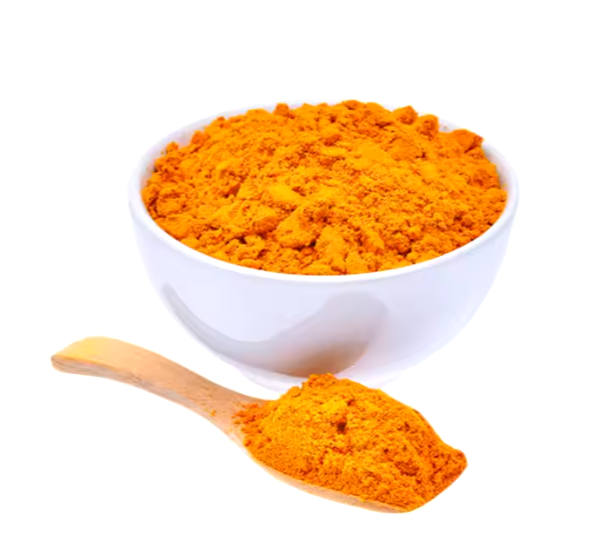
Appearance: Dark red to orange crystalline powder
Zeaxanthin is a naturally occurring xanthophyll carotenoid consisting of a polyene chain with cyclic end groups containing hydroxyl functionalities. As a conjugated polyene, zeaxanthin exhibits strong light absorption properties and is widely studied for its role in photoprotection, antioxidation, and material science involving light-responsive systems.
Chemical and Physical Properties
Density: ~1.1 g/cm³ (estimated)
Melting Point: 215–218°C (decomposes)
Boiling Point: Not applicable (decomposes)
Solubility in Water: Practically insoluble
Solubility in Other Solvents: Soluble in fats, oils, chloroform, and hexane; slightly soluble in ethanol
Odor: Odorless or faint characteristic
Applications
Organic Materials: Used in the design of light-harvesting systems and organic photovoltaic materials.
Photoprotection Research: Studied for its photophysical properties in protecting materials from UV and visible light damage.
Pigment and Coating Formulations: Incorporated as a natural pigment in technical coatings and plastics.
Analytical Chemistry: Used as a standard for carotenoid quantification by spectrophotometry and HPLC methods.
Antioxidant Systems: Explored for its radical scavenging capacity in chemical stability studies.
Safety
Signal Word: Warning
This chemical does not meet GHS hazard criteria for 95% (113 of 119) of all reports.
Handling and Storage
Storage Conditions: Store in a tightly closed container in a cool, dry, and dark place. Protect from light, oxygen, and heat to prevent oxidative degradation.
Handling Precautions: Minimize exposure to air and light. Handle under inert conditions if purity and light stability are critical. Use standard laboratory PPE.