
 PRODUKTY
- ORGANICZNE(1280)
- Związki metaloorganiczne(1)
- Tiole(1)
- Alkohole(83)
- Aldehydy(61)
- Azotyny Alkilowe(6)
- Aminy(85)
- Aminokwasy(59)
- Amidy(34)
- Bezwodniki(11)
- Halogenki Kwasowe(5)
- Kwasy karboksylowe(188)
- Barwniki, wskaźniki(103)
- Estry(55)
- Etery(20)
- Halogenki(35)
- Flawonoidy(5)
- Heterocykle(42)
- Węglowodory(42)
- Imidy(1)
- Ketony(32)
- Rozpuszczalniki (premix)(16)
- Związki Nitrowe(15)
- Nitryle(11)
- Sole organiczne(73)
- Fenole(37)
- Polimery(67)
- Cukry(24)
- Związki krzemoorganiczne oraz fosforoorganiczne(1)
- Peptydy(2)
- Terpeny(19)
- Inne(142)
- NIEORGANICZNE(1086)
- SPRZĘT LABORATORYJNY(5158)
- *(1)
- Synteza organiczna(485)
- Przemysł(788)
Wersje językowe
Wersja US umożliwia dostawę do wszystkich dostępnych destynacji.


 Producenci
N-Acetylo-L-karnozyna
Cena regularna:
Cena regularna:
towar niedostępny
dodaj do przechowalni
0


Opis
Dimethylglycine Hydrochloride
Other Names: N,N-Dimethylglycine, (Dimethylamino)acetic acid hydrochloride
CAS Number: 1118-68-9
Sum Formula: C₄H₉NO₂ · HCl
Molar Mass: 139.58 g/mol (for the hydrochloride salt)
(Note: The free base Dimethylglycine has a molar mass of 103.12 g/mol. The hydrochloride form, which you specified, includes an additional HCl unit.)
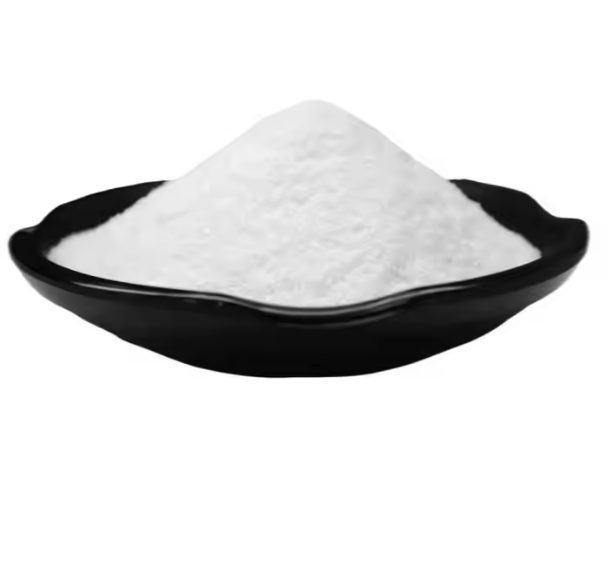
Appearance: White crystalline powder
Dimethylglycine hydrochloride is the hydrochloride salt of dimethylglycine, a derivative of the amino acid glycine in which the amino group is substituted with two methyl groups. It is used in chemical, biochemical, and material science applications requiring a stable, water-soluble, tertiary amine-containing building block.
Chemical and Physical Properties
Density: ~1.2 g/cm³ (estimated)
Melting Point: 178–180°C (decomposes)
Boiling Point: Not applicable (decomposes)
Solubility in Water: Freely soluble
Solubility in Other Solvents: Slightly soluble in alcohol; practically insoluble in nonpolar solvents
Odor: Odorless
Applications
Organic Synthesis: Used as an intermediate in the preparation of N-alkylated amino acid derivatives.
Coordination Chemistry: Serves as a ligand precursor for metal complexation studies.
Polymer Chemistry: Investigated for incorporation into polymers and resins for introducing polar functionality.
Biochemical Research: Studied for its role in one-carbon metabolism and tertiary amine chemistry.
Analytical Chemistry: Employed in derivatization reactions and as a reference standard for tertiary amine detection.
Safety

Signal Word: Warning
P264, P270, P301+P317, P330, and P501
Handling and Storage
Storage Conditions: Store in a tightly closed container in a cool, dry, and well-ventilated area. Protect from moisture and strong oxidizing agents.
Handling Precautions: Avoid dust formation and direct contact with eyes or skin. Use standard PPE and good laboratory practices.