PRODUKTY
- ORGANICZNE(1280)
- Związki metaloorganiczne(1)
- Tiole(1)
- Alkohole(83)
- Aldehydy(61)
- Azotyny Alkilowe(6)
- Aminy(85)
- Aminokwasy(59)
- Amidy(34)
- Bezwodniki(11)
- Halogenki Kwasowe(5)
- Kwasy karboksylowe(188)
- Barwniki, wskaźniki(103)
- Estry(55)
- Etery(20)
- Halogenki(35)
- Flawonoidy(5)
- Heterocykle(42)
- Węglowodory(42)
- Imidy(1)
- Ketony(32)
- Rozpuszczalniki (premix)(16)
- Związki Nitrowe(15)
- Nitryle(11)
- Sole organiczne(73)
- Fenole(37)
- Polimery(67)
- Cukry(24)
- Związki krzemoorganiczne oraz fosforoorganiczne(1)
- Peptydy(2)
- Terpeny(19)
- Inne(142)
- NIEORGANICZNE(1086)
- SPRZĘT LABORATORYJNY(5158)
- *(1)
- Synteza organiczna(485)
- Przemysł(788)
Wersje językowe
Wersja US umożliwia dostawę do wszystkich dostępnych destynacji.


 Producenci
Boran trimetylu 75%, barwienie płomieniowe 1L
Cena regularna:
Cena regularna:
towar niedostępny
dodaj do przechowalni
0

Opis
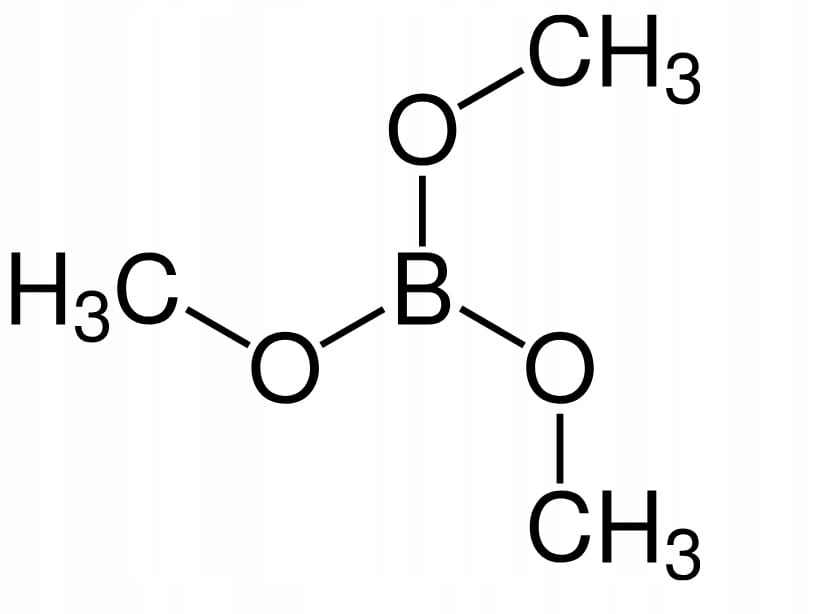
Trimethyl Borate 75%
Other Names: Boric acid trimethyl ester
CAS Number: 121-43-7
Sum Formula: B(OCH₃)₃
Molar Mass: 103.91 g/mol
Appearance: Colorless liquid
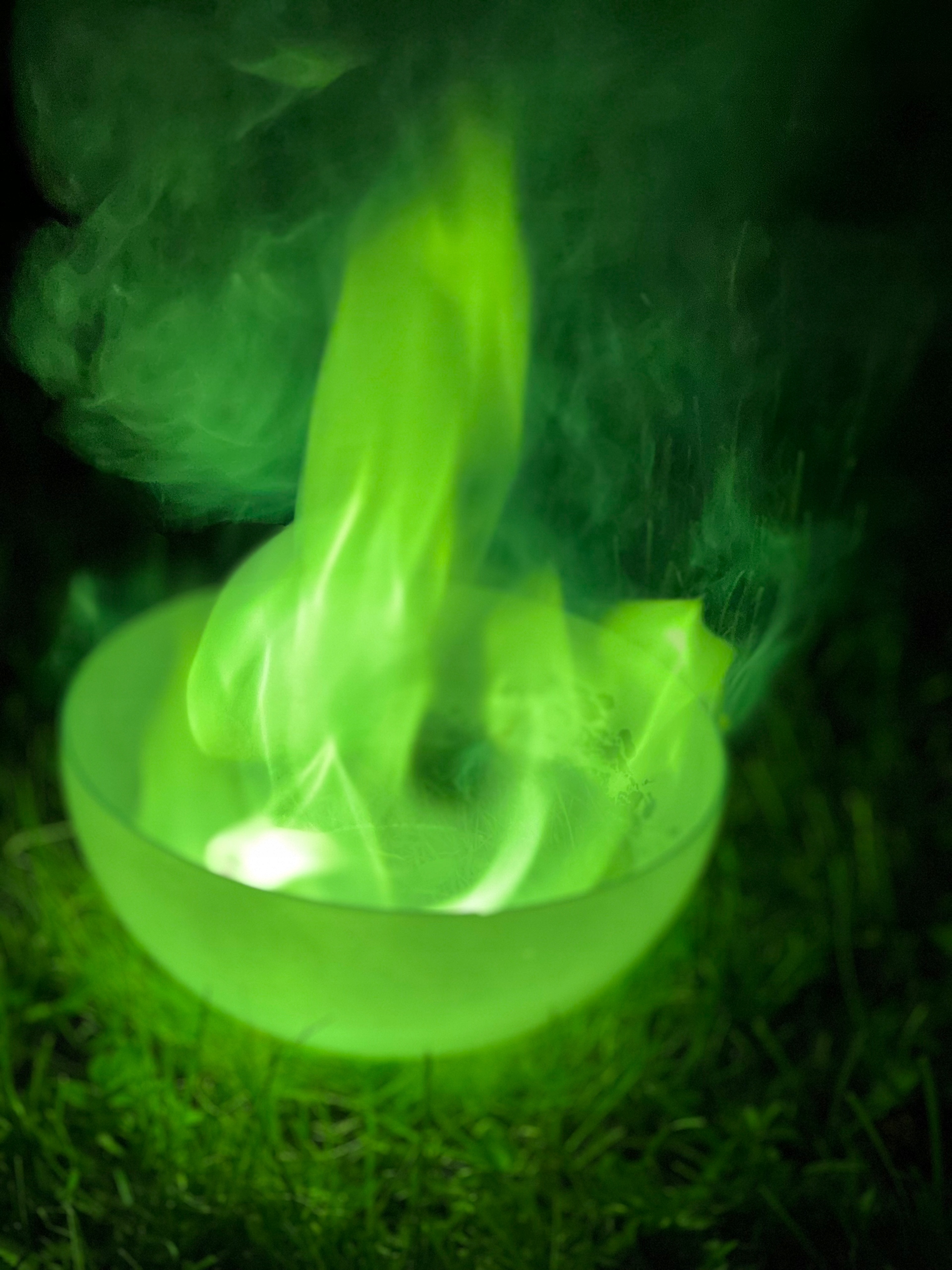
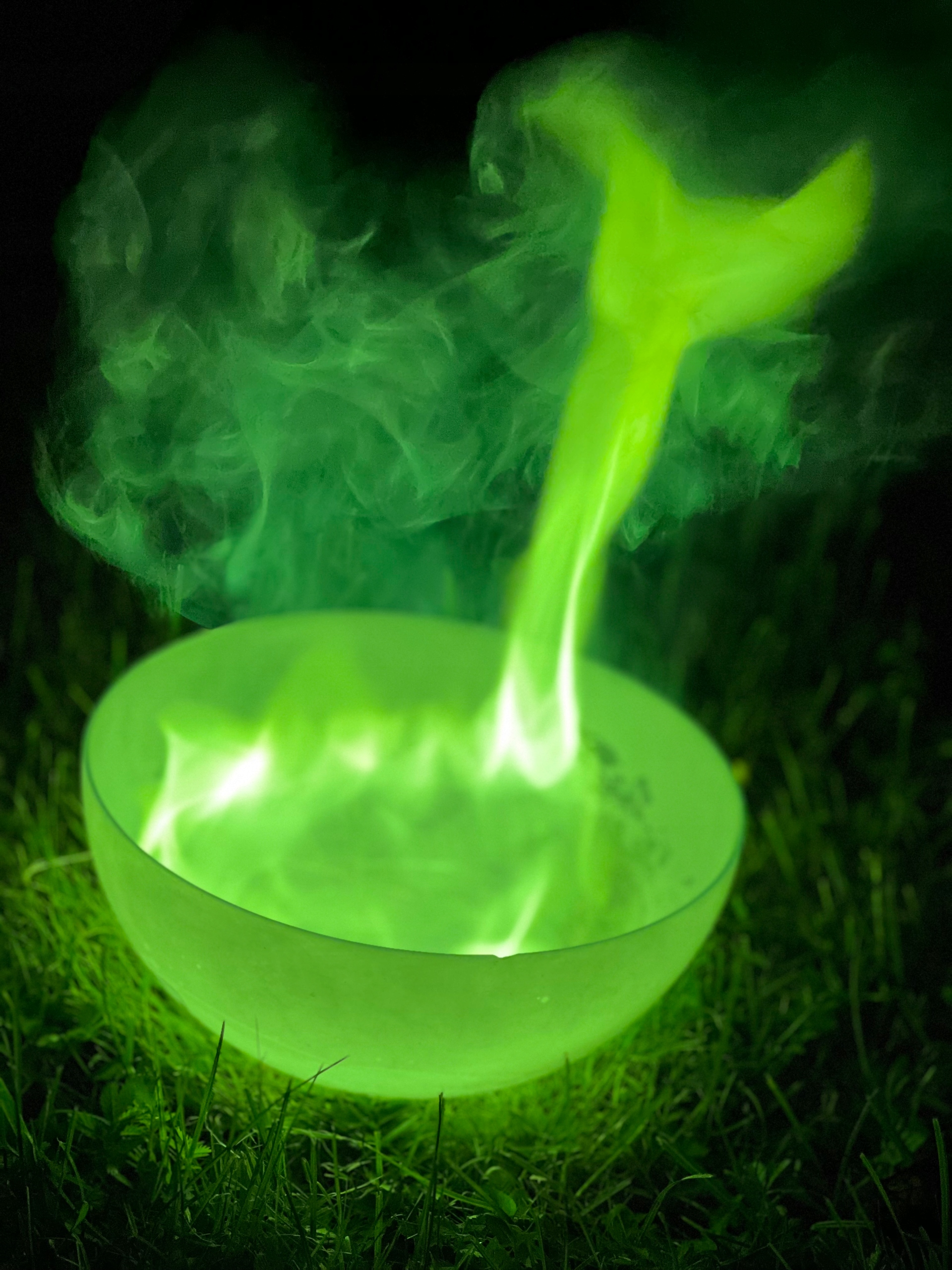
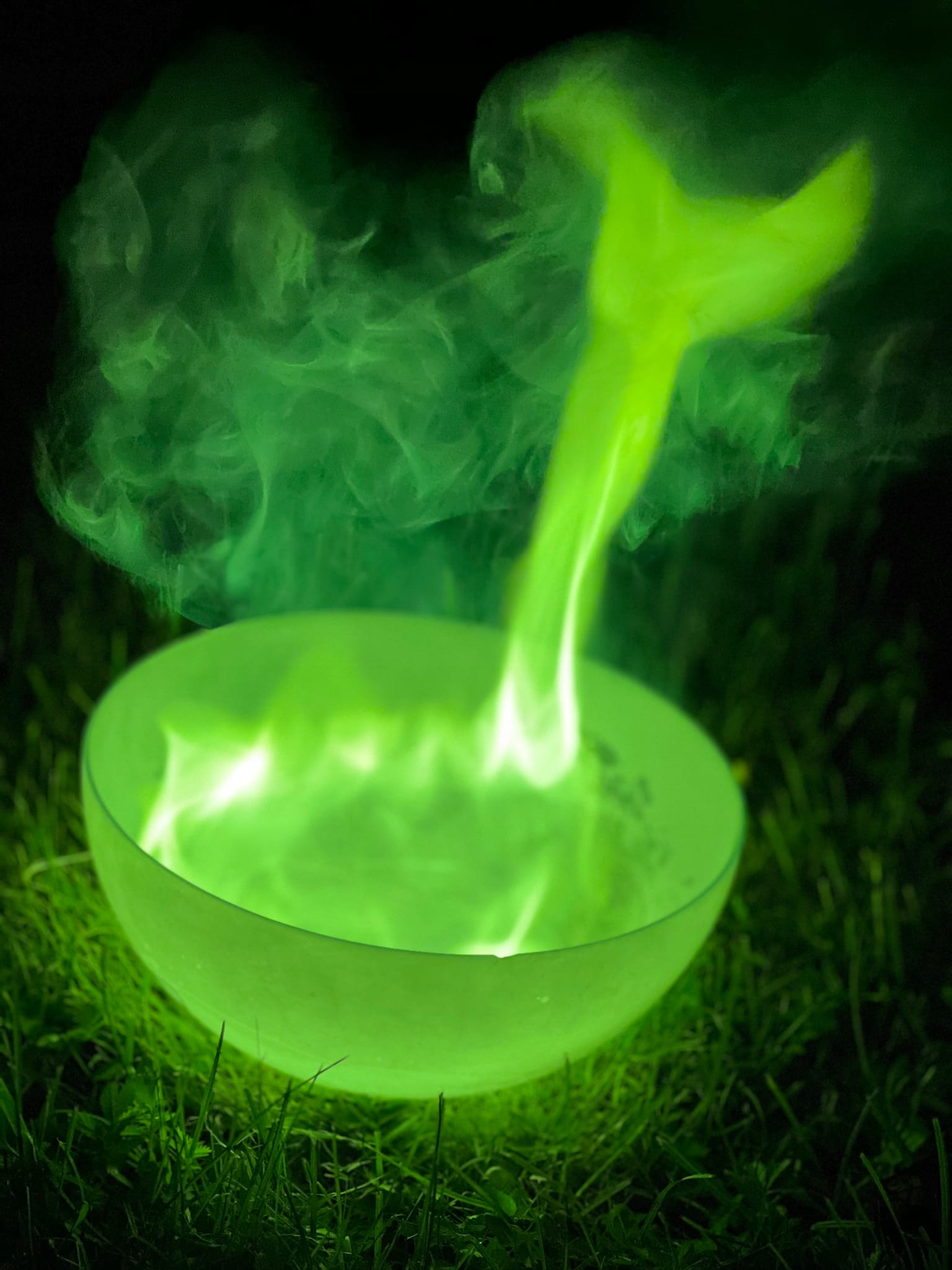
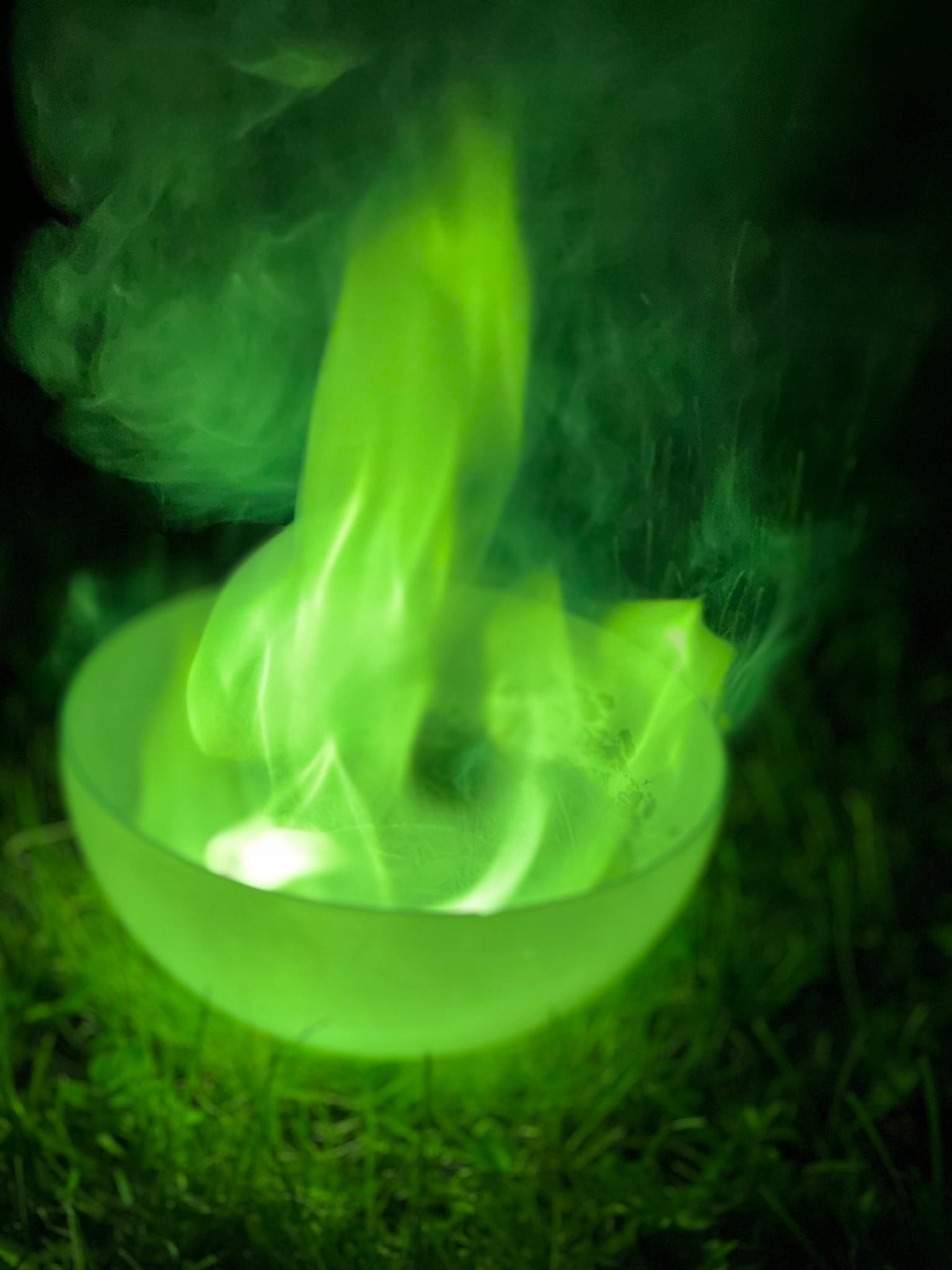
Trimethyl borate is an organic boron compound, typically appearing as a clear, colorless liquid. It is known for burning with a bright green flame, making it useful for flame test demonstrations. Additionally, it is applied in organic synthesis and specialized chemical processes.
Chemical and Physical Properties
Density: ~0.883 g/cm³ (at 20°C)
Melting Point: −34°C
Boiling Point: 68–69°C
Solubility in Water: Hydrolyzes in water to methanol and boric acid
Solubility in Other Solvents: Miscible with many organic solvents (e.g., alcohols, ethers)
Odor: Slightly sweet odor
Flash Point: 8°C (closed cup)
Auto-Ignition Temperature: ~390°C
Applications
Organic Synthesis: Used as a reagent and intermediate in the preparation of boronic acids, esters, and in Suzuki coupling reactions.
Demonstrations: Applied in educational settings for flame tests due to its distinctive green flame.
Chemical Industry: Used as a dehydrating agent and catalyst carrier.
Surface Treatments: Studied for the modification of materials, including glasses and ceramics.
Safety

Signal Word: Danger
H225 (40.5%): Highly Flammable liquid and vapor [Danger Flammable liquids]
H226 (59.5%): Flammable liquid and vapor [Warning Flammable liquids]
H301 (14.9%): Toxic if swallowed [Danger Acute toxicity, oral]
H311 (14.6%): Toxic in contact with skin [Danger Acute toxicity, dermal]
H312 (85.4%): Harmful in contact with skin [Warning Acute toxicity, dermal]
H319 (30.3%): Causes serious eye irritation [Warning Serious eye damage/eye irritation]
H331 (14.6%): Toxic if inhaled [Danger Acute toxicity, inhalation]
H360 (11%): May damage fertility or the unborn child [Danger Reproductive toxicity]
H360FD (19.3%): May damage fertility; May damage the unborn child [Danger Reproductive toxicity]
H370 (19.8%): Causes damage to organs [Danger Specific target organ toxicity, single exposure]
P203, P210, P233, P240, P241, P242, P243, P260, P261, P262, P264, P264+P265, P270, P271, P280, P301+P316, P302+P352, P303+P361+P353, P304+P340, P305+P351+P338, P308+P316, P316, P317, P318, P321, P330, P337+P317, P361+P364, P362+P364, P370+P378, P403+P233, P403+P235, P405, and P501
Handling and Storage
Storage Conditions: Store in a tightly closed container in a cool, dry, and well-ventilated place, away from ignition sources and moisture. Protect from hydrolysis by atmospheric humidity.
Handling Precautions: Use only under a fume hood or well-ventilated conditions. Avoid inhalation of vapors and prevent skin or eye contact.