
 PRODUKTY
- ORGANICZNE(1115)
- Tiole(1)
- Związki metaloorganiczne(1)
- Alkohole(74)
- Aldehydy(43)
- Azotyny Alkilowe(6)
- Aminy(55)
- Aminokwasy(55)
- Amidy(33)
- Bezwodniki(11)
- Halogenki Kwasowe(5)
- Kwasy karboksylowe(167)
- Barwniki, wskaźniki(95)
- Estry(52)
- Etery(17)
- Halogenki(30)
- Flawonoidy(5)
- Heterocykle(25)
- Węglowodory(38)
- Imidy(1)
- Ketony(29)
- Rozpuszczalniki (premix)(16)
- Związki Nitrowe(7)
- Nitryle(9)
- Sole organiczne(73)
- Fenole(30)
- Polimery(64)
- Cukry(24)
- Związki krzemoorganiczne oraz fosforoorganiczne(1)
- Peptydy(2)
- Terpeny(16)
- Inne(126)
- NIEORGANICZNE(1022)
- SPRZĘT LABORATORYJNY(5155)
- *(1)
- Synteza organiczna(416)
- Przemysł(767)
Wersje językowe
Wersja US umożliwia dostawę do wszystkich dostępnych destynacji.


 Producenci
S-adenozylometionina w proszku
Cena regularna:
Cena regularna:
towar niedostępny
dodaj do przechowalni
0


Opis
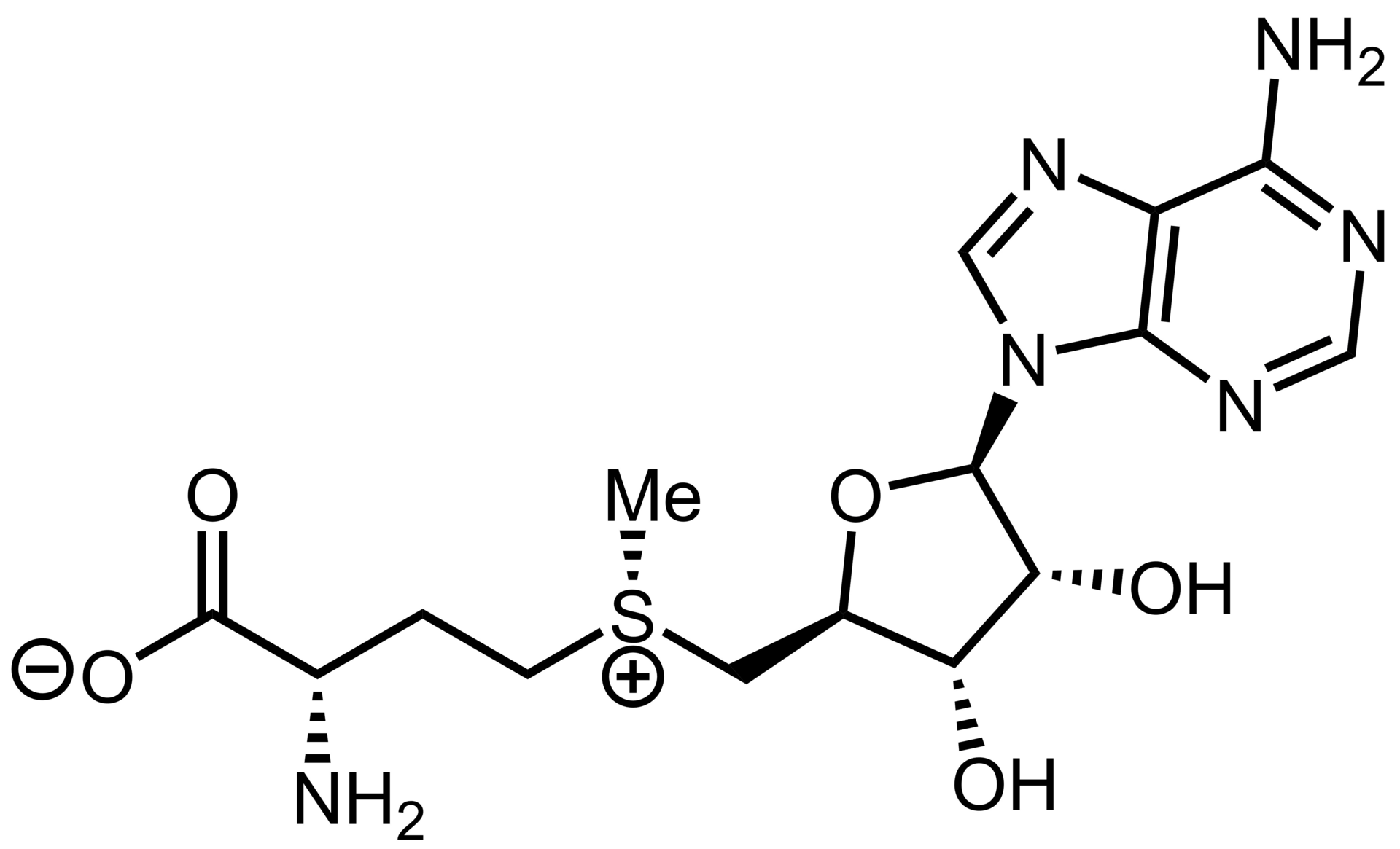
S-Adenosyl methionine (SAMe)
Other Names: S-Adenosyl-L-methionine, SAM-e, SAMe, Adomet, Ademethionine
CAS Number: 29908-03-0
Sum Formula: C₁₅H₂₂N₆O₅S
Molar Mass: 398.44 g/mol
Appearance: White to off-white crystalline powder
S-Adenosyl methionine (SAMe) is a sulfonium compound formed by the reaction of ATP and methionine. It serves as a principal biological methyl donor and participates in numerous biochemical reactions, making it a critical molecule in chemical research involving methylation, aminopropylation, and sulfur transfer.
Chemical and Physical Properties
Density: ~1.5 g/cm³ (estimated)
Melting Point: Decomposes before melting
Boiling Point: Not applicable (decomposes)
Solubility in Water: Freely soluble
Solubility in Other Solvents: Slightly soluble in alcohol; practically insoluble in nonpolar solvents
Odor: Odorless
Applications
Organic Chemistry: Used in the synthesis of methylated compounds through methyl group transfer reactions.
Biochemical Research: Studied extensively for its role as a methyl donor in DNA, RNA, protein, and lipid methylation.
Enzymology: Investigated as a cofactor for methyltransferase enzymes.
Material Science: Explored for use in biomaterials incorporating sulfonium structures for controlled reactivity.
Analytical Chemistry: Applied in methylation assays and studies of transmethylation processes.
Safety

Signal Word: Warning
H302 (20%): Harmful if swallowed [Warning Acute toxicity, oral]
H312 (20%): Harmful in contact with skin [Warning Acute toxicity, dermal]
H319 (20%): Causes serious eye irritation [Warning Serious eye damage/eye irritation]
H332 (20%): Harmful if inhaled [Warning Acute toxicity, inhalation]
P261, P264, P264+P265, P270, P271, P280, P301+P317, P302+P352, P304+P340, P305+P351+P338, P317, P321, P330, P337+P317, P362+P364, and P501
Handling and Storage
Storage Conditions: Store in a tightly sealed container at low temperatures (preferably refrigerated) in a dry and dark environment. Protect from moisture, light, and oxidation.
Handling Precautions: Handle under inert atmosphere when possible for long-term stability. Use appropriate PPE and maintain standard laboratory safety procedures.