
 PRODUKTY
- ORGANICZNE(1103)
- NIEORGANICZNE(932)
- Kwasy mineralne(39)
- Chelaty(2)
- Pierwiastki(120)
- Sole(543)
- Tlenki(120)
- Wodorotlenki(29)
- Wodorki(14)
- Inne(16)
- Nanocząstki(1)
- Roztwory mianowane(47)
- SPRZĘT LABORATORYJNY(5155)
- *(1)
- Synteza organiczna(373)
- Przemysł(741)
Wersje językowe
Wersja US umożliwia dostawę do wszystkich dostępnych destynacji.


 Producenci
Nadwęglan sodu Aktywny Addukt H2O2 Dla Pralni Chemicznych - 1 000kg


Cena regularna:
Cena regularna:
towar niedostępny
dodaj do przechowalni
0


Opis
Sodium Percarbonate
Other Names: Sodium carbonate peroxyhydrate, Sodium carbonate hydrogen peroxide adduct
CAS Number: 15630-89-4
Sum Formula: 2Na₂CO₃·3H₂O₂
Molar Mass: 314.02 g/mol
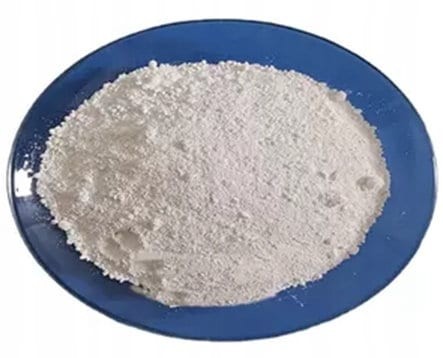
Appearance: Colorless to white crystalline, hygroscopic powder
Sodium percarbonate is a solid adduct of sodium carbonate (soda ash) and hydrogen peroxide. It releases hydrogen peroxide when dissolved in water, providing strong oxidizing, bleaching, and cleaning properties. It is commonly used in detergent formulations, stain removers, and as an environmentally friendly bleaching agent.
Chemical and Physical Properties
Density: ~2.1 g/cm³
Melting Point: Decomposes before melting
Boiling Point: Not applicable (decomposes)
Solubility in Water: Freely soluble (releases H₂O₂ and Na₂CO₃)
Solubility in Other Solvents: Insoluble in organic solvents
Odor: Odorless
Applications
Cleaning Products: Used in laundry detergents, carpet cleaners, and household stain removers.
Bleaching Agent: Applied for fabric, wood, and surface bleaching without chlorine.
Organic Synthesis: Used as a mild, solid oxidant in laboratory reactions.
Water Treatment: Employed for oxidation of pollutants and disinfection.
Industrial Cleaning: Utilized in formulations for cleaning brewery equipment, food processing plants, and healthcare facilities.
Important Note
Due to its strong oxidizing properties, excess sodium percarbonate can permanently discolor fabrics or materials. Careful dosage and controlled use are recommended during cleaning applications.
Safety

Signal Word: Danger
H272 (46.1%): May intensify fire; oxidizer [Danger Oxidizing liquids; Oxidizing solids]
H302 (97.4%): Harmful if swallowed [Warning Acute toxicity, oral]
H318 (94.6%): Causes serious eye damage [Danger Serious eye damage/eye irritation]
P210, P220, P264, P264+P265, P270, P280, P301+P317, P305+P354+P338, P317, P330, P370+P378, and P501
Handling and Storage
Storage Conditions: Store in a cool, dry, and well-ventilated place. Keep away from heat, moisture, and combustible materials. Store in tightly sealed containers.
Handling Precautions: Handle with care to avoid dust formation. Use appropriate PPE and avoid contact with incompatible substances like acids and organic materials.