
 PRODUKTY
- ORGANICZNE(1115)
- NIEORGANICZNE(1022)
- Kwasy mineralne(48)
- Chelaty(2)
- Pierwiastki(120)
- Sole(544)
- Tlenki(120)
- Wodorotlenki(30)
- Wodorki(14)
- Inne(16)
- Nanocząstki(1)
- Roztwory mianowane(126)
- SPRZĘT LABORATORYJNY(5155)
- *(1)
- Synteza organiczna(416)
- Przemysł(767)
Wersje językowe
Wersja US umożliwia dostawę do wszystkich dostępnych destynacji.


 Producenci
Bezwodny bromek cynku
Cena regularna:
Cena regularna:
towar niedostępny
dodaj do przechowalni
0


Opis
Zinc Bromide Anhydrous
Other Names: Zinc(II) bromide, Zinc dibromide
CAS Number: 7699-45-8
Sum Formula: ZnBr₂
Molar Mass: 225.20 g/mol
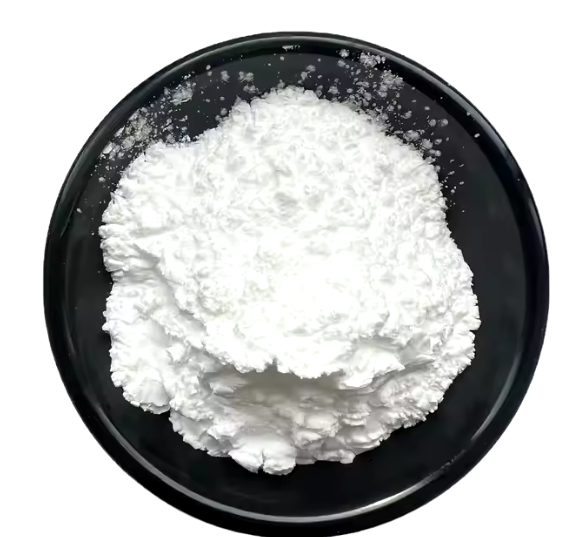
Appearance: White to off-white crystalline powder or hygroscopic solid
Zinc bromide is an inorganic salt composed of zinc and bromine. It is highly hygroscopic and widely utilized in chemical synthesis, catalysis, and materials science, particularly where a soluble and reactive source of zinc ions is required.
Chemical and Physical Properties
Density: 4.20 g/cm³ (at 20 °C), 4.22 g/cm³ (at 25 °C)
Melting Point: 394°C
Boiling Point: 697°C (decomposes)
Solubility in Water: Very soluble (447 g/100 mL at 25°C)
Solubility in Other Solvents: Soluble in alcohol and ether
Odor: Odorless
Applications
Organic Synthesis: Used as a Lewis acid catalyst in organic reactions such as alkylations and polymerizations.
Material Science: Applied in the preparation of zinc-containing glass formulations and specialty coatings.
Battery Technology: Studied as an electrolyte component in zinc-based flow batteries and other energy storage systems.
Analytical Chemistry: Used as a reagent for selective precipitation and complex formation.
Water Treatment: Occasionally employed in specialized water and brine formulations requiring high-density solutions.
Safety

Signal Word: Danger
H302 (69%): Harmful if swallowed [Warning Acute toxicity, oral]
H314 (100%): Causes severe skin burns and eye damage [Danger Skin corrosion/irritation]
H317 (68.8%): May cause an allergic skin reaction [Warning Sensitization, Skin]
H318 (45.1%): Causes serious eye damage [Danger Serious eye damage/eye irritation]
H400 (36.5%): Very toxic to aquatic life [Warning Hazardous to the aquatic environment, acute hazard]
H411 (62.7%): Toxic to aquatic life with long lasting effects [Hazardous to the aquatic environment, long-term hazard]
P260, P261, P264, P264+P265, P270, P272, P273, P280, P301+P317, P301+P330+P331, P302+P352, P302+P361+P354, P304+P340, P305+P354+P338, P316, P317, P321, P330, P333+P317, P362+P364, P363, P391, P405, and P501
Handling and Storage
Storage Conditions: Store in a tightly sealed container in a cool, dry, and well-ventilated area. Protect from moisture, light, and incompatible substances such as strong oxidizing agents and acids.
Handling Precautions: Handle with proper PPE (gloves, goggles, protective clothing). Avoid generating dust and direct contact with skin or eyes.