
 CATEGORIES
- ORGANIC COMPOUNDS(1240)
- INORGANIC COMPOUNDS(1103)
- LAB EQUIPMENT(5176)
- *(1)
- Organic Synthesis(438)
- Alkylating agents(11)
- Bases(47)
- Building blocks(43)
- Catalysts(5)
- Classic Acids(85)
- Drying Agents(54)
- Enantioselective synthesis(2)
- Halogenating reagents(8)
- Oxidizing agents(27)
- Peptide synthesis(4)
- Reducing Agents(19)
- Solvents(160)
- Industry(783)
Language
US version allows shipping to all available destinations


 MANUFACTURER
Reducing agents are reagents used to carry out reduction reactions of organic compounds, including transformations that lower the oxidation state of an atom, deliver hydrogen, transfer hydride or remove oxygen from a functional group. In organic synthesis, they are used for the reduction of aldehydes, ketones, esters, carboxylic acids, amides, nitriles, imines, alkenes, alkynes, nitro compounds and other reactive systems. This group includes boron and aluminum hydrides, boranes, alkoxyaluminum hydrides, silanes, hydrogen in catalytic systems, hydrogen donors in transfer hydrogenation and selected metals used in chemical reductions.
L - Ascorbic Acid ( Reductor ) Vitamin C - 1000g

Availability: Large quantity
Dispatched within: 7 days
L - Ascorbic Acid ( Reductor ) Vitamin C - 100g

Availability: Large quantity
Dispatched within: 7 days
L - Ascorbic Acid ( Reductor ) Vitamin C - 10g

Availability: Large quantity
Dispatched within: 7 days
L - Ascorbic Acid ( Reductor ) Vitamin C - 25 000g = 25kg

Availability: Large quantity
Dispatched within: 7 days
L - Ascorbic Acid ( Reductor ) Vitamin C - 5000g

Availability: Large quantity
Dispatched within: 7 days
L - Ascorbic Acid ( Reductor ) Vitamin C - 500g

Availability: Large quantity
Dispatched within: 7 days
LAH Lithium Aluminum Hydride (LiAlH₄)

⚠️ ✈︎ Shipping Limitations: We do not ship this product to: US | Unless government approved ⓘ
Availability: Large quantity
Dispatched within: 5 days
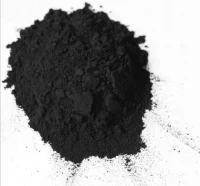
Sodium Borohydride For Organic Synthesis 1kg

⚠️ ✈︎ Shipping Limitations: We do not ship this product to: US, DE | Unless government approved ⓘ
Availability: Large quantity
Dispatched within: 7 days
Sodium Borohydride for Reduction >99,9% - 100g

⚠️ ✈︎ Shipping Limitations: We do not ship this product to: US, DE | Unless government approved ⓘ
Availability: Large quantity
Dispatched within: 7 days
Sodium Borohydride for Reduction >99,9% - 25g

⚠️ ✈︎ Shipping Limitations: We do not ship this product to: US, DE | Unless government approved ⓘ
Availability: Large quantity
Dispatched within: 7 days
Sodium Borohydride for Reduction >99,9% - 500g

⚠️ ✈︎ Shipping Limitations: We do not ship this product to: US, DE | Unless government approved ⓘ
Availability: Large quantity
Dispatched within: 7 days
Sodium Borohydride for Reduction >99,9% - 5g

⚠️ ✈︎ Shipping Limitations: We do not ship this product to: US, DE | Unless government approved ⓘ
Availability: Large quantity
Dispatched within: 7 days
Sodium Borohydride Pure >99,9% 600g - 600g

⚠️ ✈︎ Shipping Limitations: We do not ship this product to: US, DE | Unless government approved ⓘ
Availability: Large quantity
Dispatched within: 7 days
Sodium Cyanoborohydride NaBH3CN | For Organic Synthesis

Availability: Large quantity
Dispatched within: 7 days

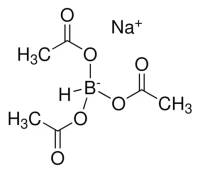
Sodium Triacetoxyborohydride (STAB)
⚠️ ✈︎ Shipping Limitations: We do not ship this product to: US | Unless government approved ⓘ
Availability: na wyczerpaniu
Dispatched within: 7 days
Synhydrid ; Vitride ; Sodium bis(2-methoxyethoxy)aluminium hydride - 60% - SAFER LAH ALTERNATIVE

⚠️ ✈︎ Shipping Limitations: We do not ship this product to: US, DE | Unless government approved ⓘ
Availability: Large quantity
Dispatched within: 5 days
L-ascorbic acid (vitamin C) PureLand chda op.1kg HDPE bottle

Availability: Large quantity
Dispatched within: 7 days
How do reducing agents work?
Reducing agents can operate through different mechanisms, so they do not represent one uniform class of reactivity. Some transfer hydride to an electrophilic center, some deliver hydrogen in the presence of a catalyst, and others participate in single-electron reductions or hydrogen transfer from a donor molecule. In synthetic practice, the key question is which type of functional group should be transformed and whether the reagent can stop the reaction at the desired stage.
Boron hydrides as selective reducing reagents
Sodium borohydride and related boron hydrides are frequently used in reductions of carbonyl compounds. Their importance comes from combining useful reactivity with greater selectivity than many stronger aluminum hydrides. Depending on the reagent system, additives and reaction environment, boron hydrides may be used not only for aldehyde and ketone reduction, but also in selected transformations of imines, oximes, heterocycles and other functional groups.
Stronger aluminum hydrides and their use
Aluminum hydrides, such as lithium aluminum hydride, belong to the stronger reducing agents used in organic chemistry. They can reduce many functional groups that are less susceptible to milder reagents, including esters, carboxylic acids, amides and nitriles. Their high reactivity can be useful in synthesis, but it also requires greater control of selectivity and compatibility with other parts of the molecule.
DIBAL-H and controlled reductions
DIBAL-H, diisobutylaluminum hydride, is an example of a reagent valued for more controlled reduction of selected substrates. Alkoxyaluminum hydrides and related aluminum systems may show different selectivity from classical stronger hydrides. For this reason, they are used when a specific functional group has to be reduced without fully converting the substrate into the most reduced form.
How does NaBH4 differ from LiAlH4?
NaBH4 and LiAlH4 differ significantly in the range of functional groups they can reduce. NaBH4 is a milder and more selective reducing agent, used mainly for the reduction of aldehydes and ketones to the corresponding alcohols. Under typical conditions, it does not efficiently reduce most carboxylic acids, esters, amides or nitriles unless used in a specially modified reaction system. LiAlH4 is a much stronger reducing agent and, in addition to aldehydes and ketones, can also reduce carboxylic acids, esters, lactones, acid chlorides and acid anhydrides to alcohols, while amides and nitriles are reduced to amines. For this reason, NaBH4 is usually selected when a milder carbonyl reduction is required, whereas LiAlH4 is used for less reactive carboxylic acid derivatives and other functional groups requiring a stronger reducing agent.
Transfer hydrogenation as an alternative to pressurized hydrogen
Transfer hydrogenation uses a hydrogen donor instead of directly applying gaseous hydrogen under pressure. This approach can be used in reductions of unsaturated, carbonyl, nitro, nitrile and other systems, depending on the catalyst and hydrogen donor. Its importance comes from the possibility of performing reductions in catalytic systems, often with good selectivity control and without classical high-pressure hydrogenation conditions.
Silanes as reducing agents
Silanes form a separate group of reducing reagents used in hydrogen-transfer reactions or reductions of activated organic systems. In combination with suitable acids, catalysts or activators, they may participate in reductions of alkenes, carbonyl compounds, imines and other reducible systems. Their usefulness depends on the silane type, activation mode and compatibility with the remaining functional groups of the substrate.
How should a reducing agent be selected for a functional group?
The choice of reducing agent depends on whether the target is an aldehyde, ketone, ester, amide, nitrile, imine, nitro compound, multiple bond or another functional group. Other important factors include the presence of additional reactive fragments, desired reduction level, solvent, tolerance toward water, acidity or basicity of the system and the possibility of side-product formation. The same substrate may behave differently with a boron hydride, aluminum hydride, silane or catalytic hydrogenation system.
Selectivity is more important than reducing strength alone
In organic synthesis, the most useful reducing agent is not always the strongest one. The crucial feature is the ability to transform a selected functional group without affecting other parts of the molecule. This is why both strong hydrides and milder, more selective systems are used in practice, including modified borohydrides, alkoxyaluminum hydrides, sterically hindered reagents, catalytic systems and transfer hydrogen sources.
Safety and limitations of use
Reducing agents can have very different hazardous properties. Some are water-sensitive, may release hydrogen, react violently with oxidizers, acids or moisture, and some may be flammable, toxic, corrosive or require work under controlled atmosphere. Safety properties should always be considered for the specific compound, because a mild carbonyl reducing agent and a strong metal hydride may require completely different handling procedures.
Product use
The product is intended exclusively for laboratory, analytical, technical and research use, especially in organic synthesis and studies involving reduction reactions. It is not intended for consumption, contact with the body, pharmaceutical use, food applications, cosmetic use or any similar consumer use.